
Gluten-Free Snacks for Kids
Gluten-free snacks for kids are foods containing no wheat, barley, or rye, and for kids with celiac disease, must also be free of cross-contamination.
Last updated: June 2026
Quick Answer: Gluten-Free Snacks for Kids
Feeding a gluten-free kid is more manageable than the label aisle might suggest. The foundation is simple: naturally gluten-free whole foods like fruit, veggies, cheese, popcorn, and corn tortillas are already safe without any label-reading gymnastics. Add a handful of certified store-bought picks and one easy homemade recipe, and you’ve got a full week of snacks covered. This guide walks you through all of it, including a no-bake snack bite recipe your kids can actually help make.
Here’s the thing about the first time you hear “my child needs to eat gluten-free”, whether it’s your own kid or a playdate guest, there’s a moment of genuine “wait, what do I even buy?” That feeling is so common. But once you know which whole foods are naturally safe, which labels to trust, and how to make one ridiculously easy homemade snack, gluten-free snacking stops feeling like a science project. These are some of the most approachable gf snacks for kids I’ve found, and I’m sharing all of it below.
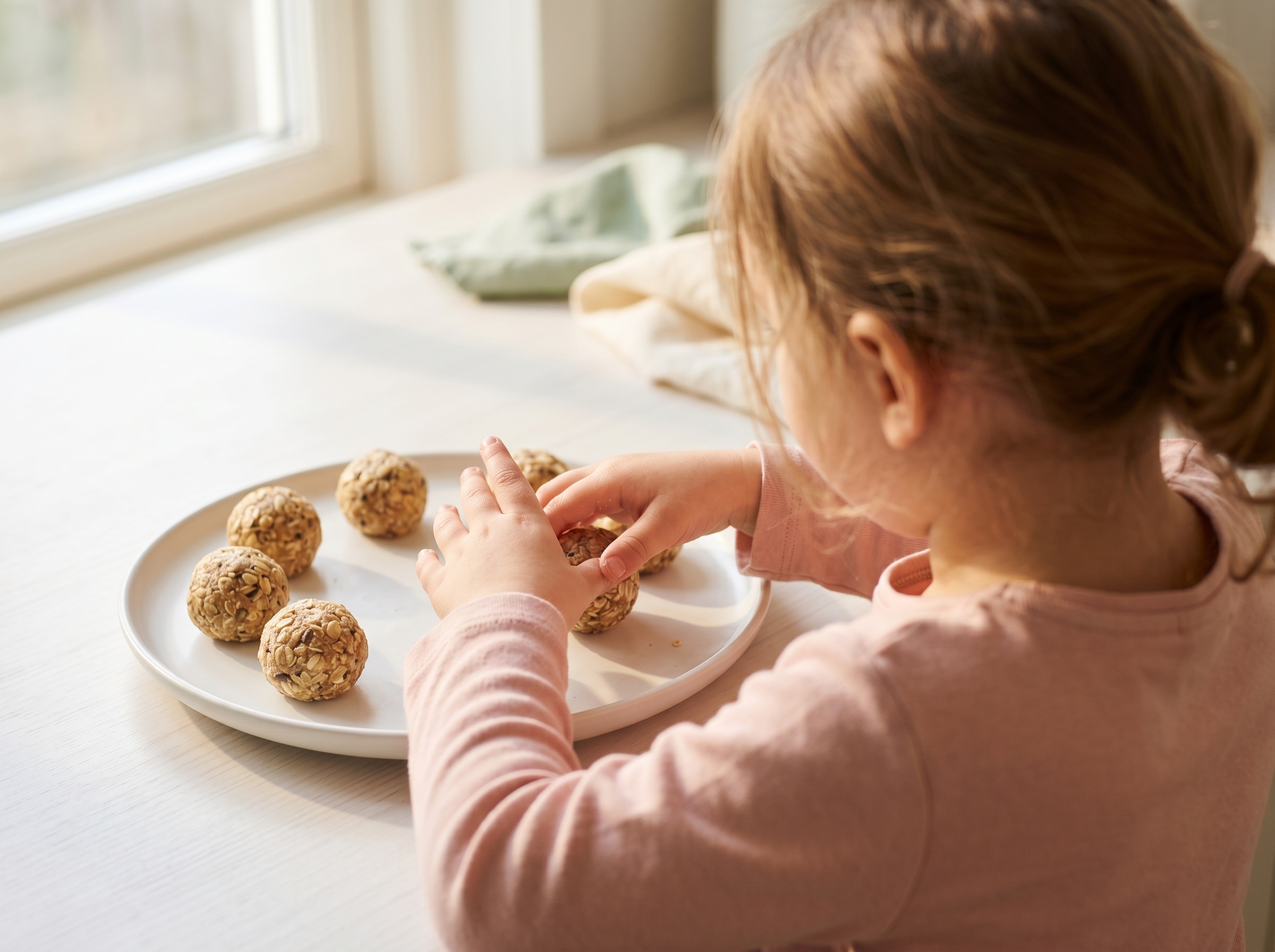
What Actually Makes a Snack Gluten-Free? (And Why It Matters for Kids)
The three grains to avoid are wheat, barley, and rye. That part most parents know. What surprises people is malt, which is almost always barley-derived and sneaks into cereals, flavored chips, and even some “health” snack bars.
Hidden gluten also shows up in soy sauce, some “natural flavors,” shared manufacturing lines, and, critically, oats that aren’t certified gluten-free. Regular oats are processed in facilities that also handle wheat, which means they’re frequently cross-contaminated even though oats themselves don’t contain gluten.
There’s also an important label distinction worth knowing. The FDA requires products labeled “gluten-free” to contain less than 20 parts per million (ppm). Certified gluten-free products go further: third-party organizations like the Gluten Intolerance Group test to a stricter threshold of 10 ppm or less. For a child with celiac disease, that difference matters. For a child with non-celiac gluten sensitivity, cross-contamination is a smaller concern, though it’s still worth being mindful when you’re snacking someone else’s kid.
No-Bake Gluten-Free Snack Bites (5 Ingredients, Ready in 20 Minutes)
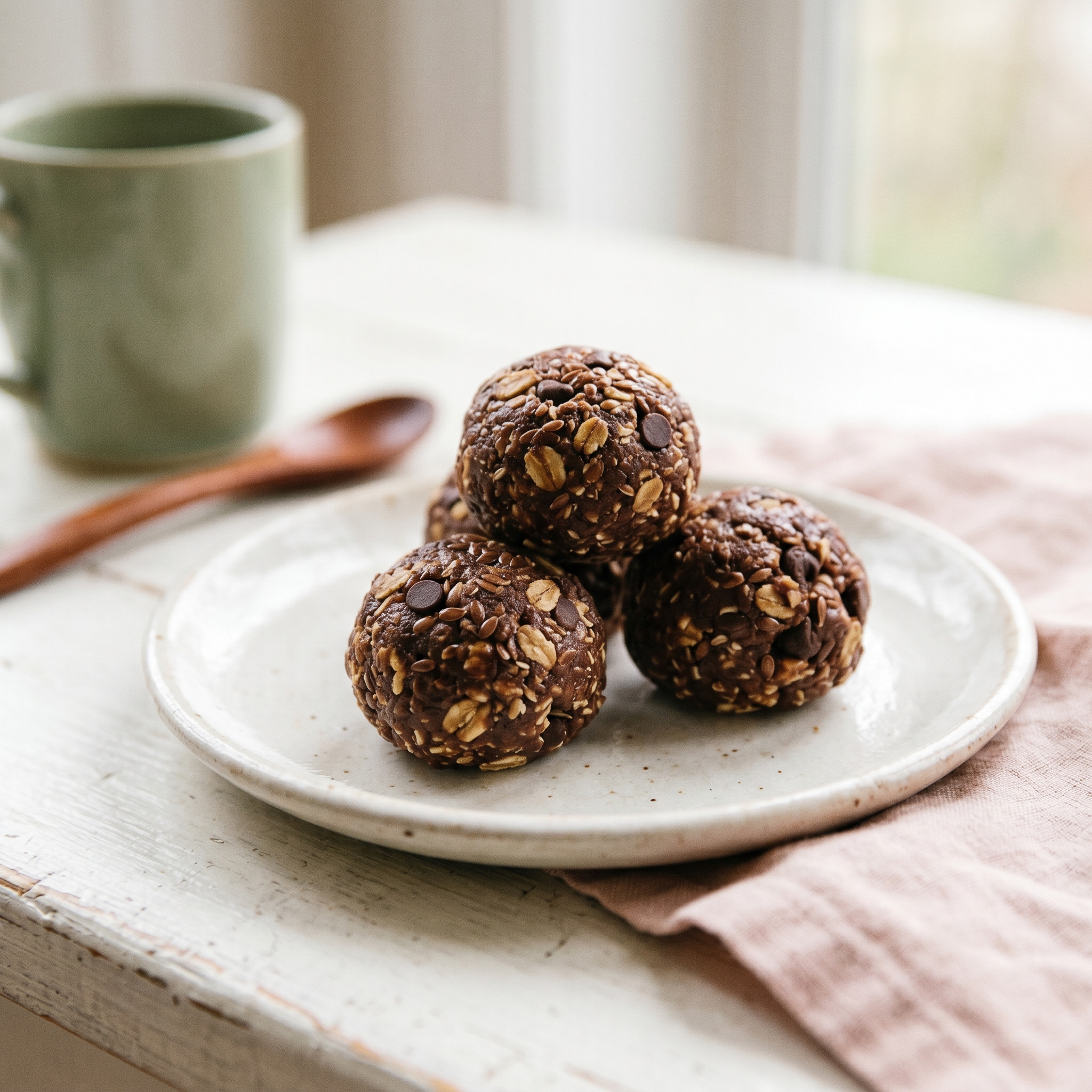
These taste like a cross between cookie dough and an energy ball: chewy, slightly sweet, chocolatey, and wholesome enough that you don’t feel weird handing them to a five-year-old at 3pm. There’s no oven involved, no hot stovetop, and kids can roll the bites themselves once the dough chills. They’re also freezer-friendly, which means a Sunday batch can carry your family through the whole week.
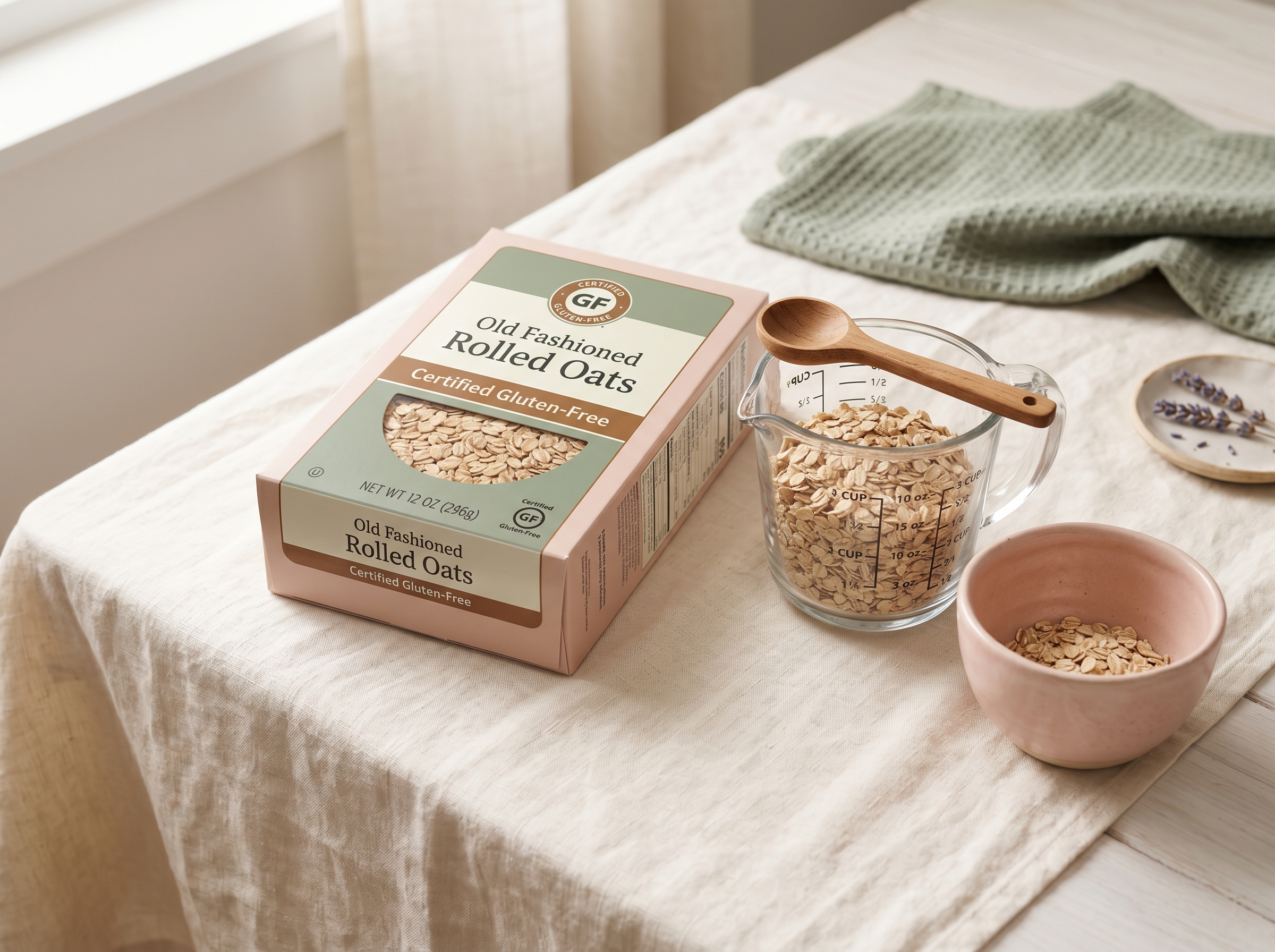
The most important callout here: you must use certified gluten-free rolled oats. Regular oats, even if they seem plain and simple, are one of the most common cross-contamination culprits in a gluten-free kitchen. Bob’s Red Mill Certified GF and GF Harvest are two widely available options. This batch makes approximately 20 to 22 bites depending on how big you roll them.
Safety note: Adult supervision is recommended when children help with rolling, and snack bites should be sized appropriately for your child’s age. For children under 4, cut bites into smaller pieces to reduce choking risk. One more thing: skip this recipe for babies under 12 months old. Honey can cause infant botulism in babies, even when mixed into a no-bake recipe like this one.
Ingredients
- 1 ½ cups certified gluten-free rolled oats
- ½ cup creamy peanut butter (or sunflower seed butter for nut-free households)
- ⅓ cup honey
- ½ cup mini chocolate chips (look for a certified GF label; Enjoy Life brand is a reliable choice)
- 1 tsp pure vanilla extract
- Optional add-ins: 2 tbsp ground flaxseed, 2 tbsp unsweetened shredded coconut, or a small handful of dried cranberries
Instructions
- Add the oats, peanut butter, honey, and vanilla extract to a large mixing bowl. Stir until everything is fully combined and no dry oats remain at the bottom.
- Fold in the mini chocolate chips along with any optional add-ins you’re using.
- Cover the bowl and refrigerate for at least 30 minutes. This step is what makes the dough firm enough to roll into bites without it sticking to every finger in the room.
- Once chilled, scoop out roughly 1 tablespoon of dough per bite. This is the step kids love. Let them roll the dough into balls with their palms, with an adult nearby to supervise.
- Place the finished bites on a parchment-lined baking sheet or large plate.
- Refrigerate for another 10 to 15 minutes to firm up completely, then serve or transfer to storage.
Yield: approximately 20 to 22 bites.
Recipe Card
| Detail | Info |
|---|---|
| Prep Time | 10 minutes |
| Chill Time | 30 to 45 minutes |
| Yield | ~20 to 22 bites |
Make-Ahead Tips, Storage and Substitutions
These bites store well in an airtight container in the fridge for up to 7 days. For longer storage, freeze them flat on a parchment-lined tray first, then transfer to a zip bag once solid. They’ll keep in the freezer for up to 3 months and thaw quickly at room temperature.
Doubling the batch on a Sunday is one of the easier ways to set yourself up for the week. Kids have a grab-and-go option in the fridge without any daily effort on your part.
Substitutions worth knowing:
- Nut-free for school: Swap peanut butter for SunButter sunflower seed butter. Fair warning: bites made with SunButter can turn slightly green due to a natural reaction with baking soda if any is present in other ingredients. It’s completely safe, just a fun mini science moment for kids who notice.
- No honey: Pure maple syrup works as a 1:1 swap and gives the bites a slightly warmer flavor.
- Dairy-free and egg-free: Great news, the base recipe is already both.
- Add protein: Stir in 2 tbsp of a certified GF protein powder before chilling.
- Nut-free chocolate chips: Enjoy Life brand is certified GF and made in a dedicated allergen-free facility, so it covers both concerns at once.
More Quick Homemade Gluten-Free Snack Ideas
Beyond the snack bites, there are plenty of other easy gluten-free snack ideas worth keeping in regular rotation. Most of these take under 10 minutes and use ingredients that are either naturally gluten-free or easy to find with a certified label.
- Rice cake mini pizzas: Top certified GF brown rice cakes with marinara and shredded mozzarella, then broil for 3 to 4 minutes. Kids love the personal-pizza feel.
- Corn tortilla quesadilla bites: Pure corn tortillas are naturally gluten-free. Cook, then cut into triangles. Add cheese, black beans, or whatever your kids will eat.
- Ants on a log with crackers: Classic celery sticks with sunflower butter and raisins, served alongside Simple Mills almond flour crackers for crunch.
- Banana “nice cream” cups: Frozen banana blended smooth, served in paper cups. Top with GF sprinkles if you want to make it feel like a treat.
- Cucumber coins with hummus: Hummus is naturally gluten-free, but it’s worth a quick label check to confirm no wheat-based thickeners were added. Most plain hummus brands are fine.
- DIY trail mix: Mix Rice Chex or Corn Chex with raisins, sunflower seeds, and chocolate chips. Let kids build their own bag. Zero cooking, zero cleanup.
According to HealthyChildren.org, parents doing gluten-free feeding should anchor the diet in nutrient-rich whole foods, including vegetables, fruits, dairy, meats, and nuts and seeds, since these are naturally gluten-free and pack the vitamins kids need. That’s exactly the spirit behind most of the ideas above. If you’re also focused on protein-packed snacking, many of the picks in this guide to high-protein snacks for kids are naturally gluten-free.
Our Favorite Store-Bought Gluten-Free Snacks for Kids
Store-bought picks are organized by use case below because the context matters. What works great for a lunchbox isn’t always what you want rattling around in your purse. A quick reminder: always re-check labels before buying, since manufacturers change formulas and production facilities more often than you’d expect. The certified GF logo is the fastest shortcut when you’re shopping in a hurry.
Best for Lunchboxes
- Simple Mills Almond Flour Crackers: Certified GF, good crunch, and they hold up in a lunchbox without turning to dust.
- GoGo Squeeze Applesauce pouches: Shelf-stable, nut-free, and universally liked. Easy for small kids to open independently.
- Larabar Kids bars: Most varieties are certified GF; verify the label on the specific flavor you’re buying.
- Enjoy Life Soft Baked Mini Cookies: Made in a dedicated allergen-free facility, so these cover celiac-level safety concerns and nut-free policies at the same time.
Best for On-the-Go and Travel
- Chomps beef sticks: Certified GF and made without nitrates. Protein-dense and kid-appealing.
- Kind Kids Bars: Most are certified GF; check the specific variety before buying.
- Boom Chickapop single-serve popcorn bags: Light, easy to pack, and kids don’t need help opening them. A solid pick for road trips when you need something everyone can grab independently.
- Annie’s GF Bunny Grahams: Made with a rice flour base; a familiar format that doesn’t feel “different” to kids eating alongside friends.
Best “Emergency Snack” for Pantry or Purse
- Rice Chex: One of the few mainstream cereals that carries a certified GF label. Dry by the handful is a surprisingly satisfying snack.
- SkinnyPop minis: Small bags are easy to tuck anywhere and share-friendly.
- Trader Joe’s plantain chips: Naturally gluten-free and slightly more interesting than regular potato chips for older kids.
- Individual raisin boxes: Always naturally GF, always cheap, always in the bottom of every mom’s bag for a reason.
Gluten-Free Snacks for Kids, FAQ
Are Cheerios gluten-free and safe for kids with celiac?
This one is contested. Cheerios uses an oat purity protocol to sort gluten-containing grains from oats during processing, but this method isn’t universally accepted in the celiac community. Organizations like Beyond Celiac have raised concerns about whether the protocol reliably removes enough contamination for celiac patients. Many pediatric GI specialists recommend sticking to certified gluten-free oat products for children with celiac disease. If your child has gluten sensitivity rather than celiac, check with your pediatrician before making a call either way.
What snacks can a gluten-free child eat at a birthday party?
More than you’d think. Fresh fruit, raw veggies with hummus, plain potato chips, popcorn, and corn tortilla chips are almost always present at kids’ parties and are naturally gluten-free. The cake is usually the challenge. A practical move is keeping a small “emergency snack kit” in your bag for parties: a Larabar, some Enjoy Life cookies, and a GoGo Squeeze pouch covers most situations without your child feeling left out while everyone else eats cake. For birthday party planning ideas that work for all kinds of guests, our guide to kids birthday party ideas for every age has plenty of options.
Can kids with celiac eat oats?
Oats themselves don’t contain gluten, but conventional oats are heavily cross-contaminated during growing, harvesting, and processing alongside wheat. Only certified gluten-free oats (like Bob’s Red Mill Certified GF) are considered safe for most celiac patients. There’s an additional wrinkle: some people with celiac disease react to avenin, a protein naturally found in oats, even when the oats are certified GF. If your child is newly diagnosed, talk to their GI doctor before introducing oats in any form.
What are the easiest gluten-free snacks for toddlers?
Naturally gluten-free whole foods are the path of least resistance for toddlers. Banana slices, soft cooked sweet potato cubes, plain rice cakes, full-fat yogurt (check that the label shows no wheat starch, which occasionally appears in flavored varieties), and soft cheese cubes all work well. Always supervise toddlers while eating, and cut or size pieces appropriately to reduce choking risk. They require no label research and cover the texture and nutrition bases toddlers need. For a deeper pool of ideas, this roundup of healthy snacks for kids covers plenty of toddler-friendly options that happen to be naturally GF.
How do I explain gluten-free snacking needs to my child’s teacher or caregiver?
Keep it simple and in writing. A single-page “safe snack list” with five or six specific products your child can eat works better than a lengthy explanation of what gluten is. Include a short “avoid” line with the obvious culprits (wheat crackers, pretzels, regular granola bars). Offering to send in a dedicated snack stash at the start of each month takes the guesswork completely off the teacher’s plate and ensures your child always has something safe available, even on surprise birthday-cake days.
Gluten-Free Snacks for Kids That Are Safe for School
School snacking has an extra layer: many schools require pre-packaged snacks for allergy safety, and a significant number are also nut-free zones. That combination rules out quite a few options right away.
From the store-bought list above, the picks that tend to check both the pre-packaged and nut-free boxes include GoGo Squeeze pouches, Enjoy Life products (the dedicated allergen-free facility matters here), SkinnyPop minis, Annie’s GF Bunny Grahams, and individual raisin boxes. SunButter also sells single-serve packets that work well as a protein add-on.
If your school allows homemade snacks in sealed, labeled bags, the no-bake snack bites made with SunButter travel well in a small zip bag with a handwritten label listing the ingredients. That said, policies vary a lot by district and even by classroom. A quick call to the school office before the first day saves you from packing something that gets turned away at the door.
For a broader look at back-to-school prep that goes beyond snacks, these back-to-school tips for parents cover the logistics that tend to catch families off guard in those first few weeks.
How to Keep Gluten-Free Snacking Affordable
Certified GF packaged snacks can cost significantly more than their conventional equivalents. It’s a real budget consideration, and there’s no point pretending otherwise. The good news is that the most affordable gluten-free snacks are the ones that don’t need a special label at all.
Naturally gluten-free whole foods like bananas, apples, cheese sticks, plain popcorn, yogurt, corn tortillas, and hard-boiled eggs cost the same as they always have. Leading with these as the foundation of your snack rotation keeps costs down without any label anxiety. Pair them with a couple of store-bought certified options for convenience, and you’ve got a reasonable balance.
For the homemade route, buying certified GF oats in a large bag (Bob’s Red Mill sells a 32-oz bag) costs considerably less per serving than buying small individual packets. The no-bake snack bite recipe works out to a fraction of what a comparable store-bought energy ball costs per piece.
Bulk retailers like Costco and Sam’s Club carry Chomps, SkinnyPop, and Larabar multipacks at lower per-unit prices than grocery stores. Trader Joe’s and Aldi are also worth checking regularly since both carry affordable certified GF snack options that rotate seasonally. If you want more ideas for quick snacks that don’t require a specialty-store trip, this list of easy snacks for kids has plenty of naturally GF-friendly picks woven in.


