
Easy Snacks for Kids (Quick and No-Fuss)
Easy snacks for kids are simple, minimal-prep foods that come together in 5 minutes or less using everyday pantry and fridge staples, no cooking required.
Last updated: June 2026
Quick Answer: Easy Snacks for Kids
The best easy snacks for kids pair a carb with a protein or healthy fat so they actually stay full until dinner. Think apple slices and peanut butter, crackers and string cheese, or a simple snack plate you can pull together in under 5 minutes. No recipe, no stress, no special ingredients. Just a few solid combos you can rotate all week long.
It’s 3:30 p.m. The kids just walked through the door. Before their backpacks even hit the floor, someone is already saying “I’m STARVING.” We’ve all been there, every single weekday, for approximately the rest of our lives.
The mental load of snack planning is real. What’s filling but not too filling? Healthy but not so healthy they refuse it? Fast enough that you’re not standing at the counter for 15 minutes while someone dramatically collapses on the kitchen floor? I’ve spent a lot of afternoons figuring this out, and the answer is honestly simpler than it looks.
What Actually Makes a Snack “Easy” (And Why It Matters)
When I say “easy,” I mean easy by busy-mom standards. That’s under 5 minutes from fridge to plate, no special equipment, ingredients already in the house, and cleanup that doesn’t require a sponge bath for the kitchen.
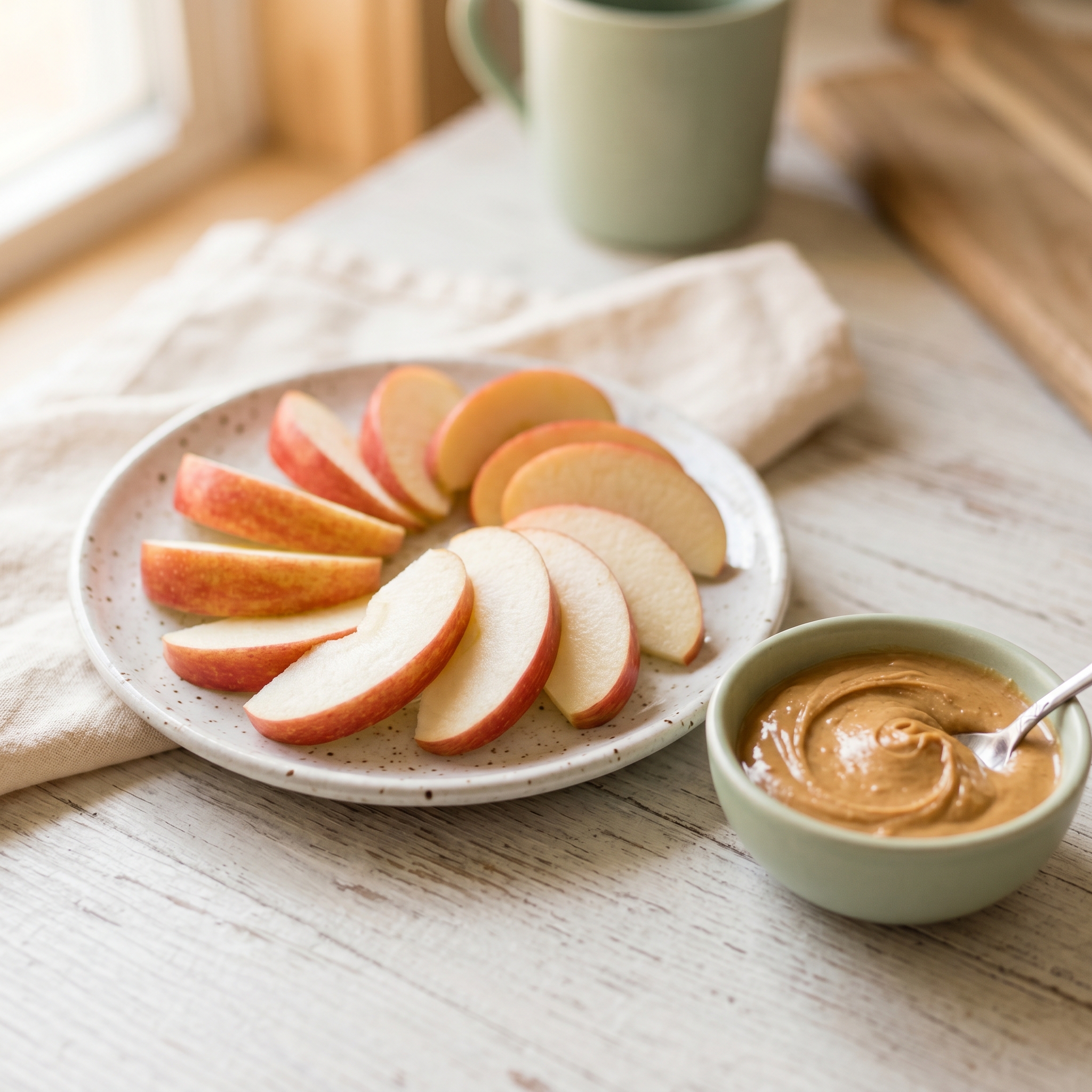
There’s a lot of pressure to make snacks picture-perfect, and I think we need to let that go. Quick snacks for kids don’t have to be elaborate or Instagram-ready to be good. A plate of crackers, cheese, and fruit is a completely solid snack. So is a banana with a spoonful of peanut butter. Simple is not the same as lazy. According to HealthyChildren.org, the American Academy of Pediatrics’ parenting site, healthy snacks for kids should focus on whole foods like raw vegetables, fruit, yogurt, hummus, and cheese sticks, while keeping processed foods and added sugars low. That guidance lines up exactly with what I see work in practice. Whole foods, minimal prep, kids actually eat it. Done.
The 3-Part Snack Formula That Actually Keeps Kids Full
This is the framework I use on repeat, and once it clicks, snack time gets so much easier. The formula is simple: Carb + Protein or Fat + Fun Element. That’s it.
Carbs give kids quick energy. Protein and fat slow digestion and keep blood sugar steady, which means they’re not back in the kitchen 20 minutes later looking for round two. The fun element is optional, but it’s the little touch that makes a plain plate feel special enough for a kid to eat it without negotiation. It’s the same two-food-group logic behind a fuller roundup of healthy snacks for kids, just stripped down to its fastest form.
Part 1: The Base (Carb)
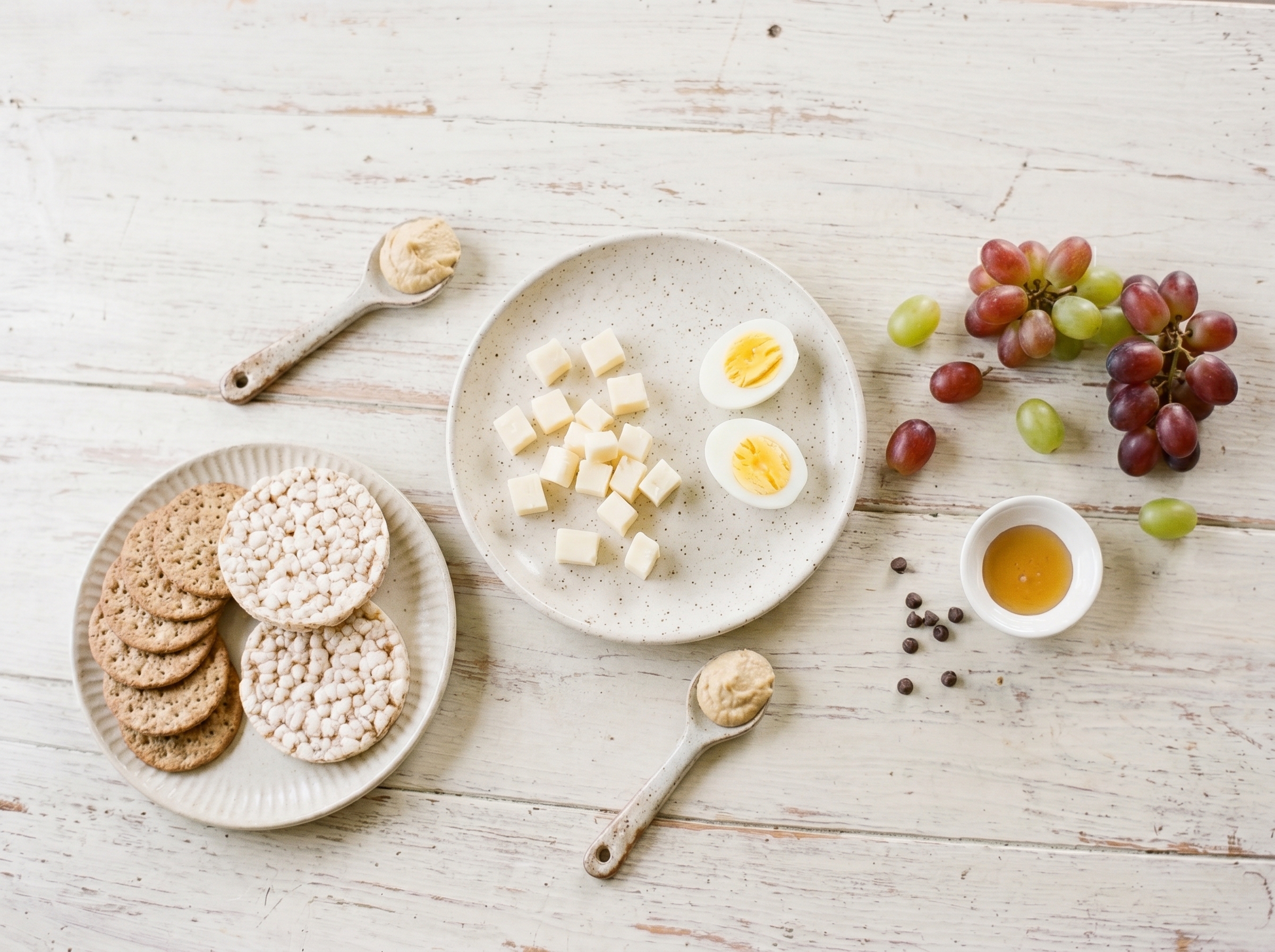
This is the easy part. Crackers, apple slices, a banana, whole grain toast, rice cakes, a tortilla, pretzels. Whatever’s in the house. The carb is just the starting point, not the whole snack.
Part 2: The Fuel (Protein or Fat)
This is what makes the snack last. Peanut butter, almond butter, sunflower seed butter, string cheese, hummus, Greek yogurt, deli turkey, a hard-boiled egg, or cottage cheese. Pair one of these with your carb base and you’ve already got a solid snack.
Part 3: The Fun Element (Optional but Powerful)
A small handful of mini chocolate chips on top of yogurt. A drizzle of honey over apple slices. Raisins tucked into a celery stick. A fun toothpick to spear cheese cubes. It costs almost nothing and takes five seconds, but kids notice it. In my experience, this tiny detail is the difference between a snack that gets eaten and one that gets pushed around the plate.
20+ Easy Snack Ideas for Kids (By Situation)
Instead of a random list, here’s how I organize easy snack ideas for kids by what the moment actually calls for.
After-School Snacks (Need It Now)
- Apple slices + peanut butter
- String cheese + grapes
- Whole grain crackers + hummus singles
- Greek yogurt + granola + berries (3-ingredient parfait)
- Tortilla + shredded cheese, microwaved 30 seconds, sliced into strips
- Ants on a log: celery + peanut butter + raisins
- Banana + almond butter drizzle
Easy Snacks Kids Can Make Themselves (Ages 5+)
- Cheese and cracker stacks (they love the building part)
- Yogurt cups with mix-ins set out in small bowls so they can customize
- PB and banana roll-up: tortilla + peanut butter + banana, roll and slice
- Smoothie pouches they “make” by shaking pre-measured ingredients in a mason jar
Letting older kids build their own snack is a small thing that pays off big. They’re more invested in eating it, and you didn’t have to do it.
Easy Snacks for a Kids’ Party
- Snack skewers with fruit and cheese cubes on toothpicks
- Mini bagels with cream cheese and cucumber coins
- Ants on a log set up as a DIY station with toppings in small bowls
- Popcorn bar with toppings in small cups
If you’re planning a party with lots of little guests, a playground birthday party setup pairs perfectly with a simple self-serve snack station like this. Low-effort, high-fun.
Easy Snacks for School (Packable)
- Hard-boiled eggs + crackers (pre-peel them the night before)
- Snack-size bags of trail mix portioned on Sunday
- Cheese stick + whole grain pretzels
- Sliced veggies + individual hummus cups
Homemade school snacks don’t have to mean baking. Pre-portioning trail mix or slicing veggies on Sunday night is meal prep in the truest sense, and it takes about 10 minutes. A batch of crispy roasted chickpeas is another make-ahead option that holds its crunch in a lunchbox.
Store-Bought Shortcut Wins
- Organic blueberries (fresh or frozen, no added sugar)
- Individual hummus packs (Kirkland Signature or Good Foods)
- Nitrate-free deli turkey roll-ups
- Mini cheese rounds like Babybel
- Pouched applesauce with no added sugar
5-Minute Kids Snack Plate
This is less of a formal recipe and more of a system I use on repeat. Customize it with whatever’s in your fridge. No cooking, no mess, no fuss, and it follows the snack formula perfectly every time.
Recipe Card
| Prep Time | 5 minutes |
| Total Time | 5 minutes |
| Yield | 1 snack plate (serves 1 child; easily multiplied) |
Ingredients
- ½ medium apple, sliced into thin wedges (or 10 to 12 grapes, halved for younger kids)
- 1 oz cheddar cheese, cubed, or 1 string cheese
- 10 to 15 whole grain crackers (like Triscuits or Wheat Thins)
- 2 tablespoons peanut butter or sunflower seed butter (sunflower seed butter for nut-free households or schools)
- 1 tablespoon raisins or a small handful of blueberries
- Optional fun element: 5 to 6 mini chocolate chips or a small drizzle of honey
Instructions
- Slice the apple into thin wedges, aiming for 6 to 8 slices. If making this for a child under 4, quarter the grapes instead of leaving them whole.
- Cube the cheese or unwrap the string cheese and place it in one section of a divided plate or snack board.
- Arrange the crackers in a separate section. Ten to fifteen is a solid serving for most school-age kids.
- Spoon the peanut butter into a small dipping bowl or add it directly onto the plate next to the apple slices.
- Add the raisins or blueberries to round out the plate with some color and natural sweetness.
- Drop on the optional fun element if you’re feeling it. Takes 5 extra seconds and earns huge points with the under-10 crowd.
- Serve right away, or cover with plastic wrap and refrigerate for up to 4 hours if prepping ahead.
Tips, Substitutions and Make-Ahead Ideas
Make-Ahead Tips (Sunday Snack Prep)
Ten minutes on Sunday evening saves you from scrambling every afternoon. Wash and pre-slice fruit and store it in a container with a little water and a squeeze of lemon to prevent browning. Apples stay fresh this way for up to 3 days. Hard-boil a batch of 6 eggs, peel them, and store in the fridge for up to 5 days for a grab-and-go protein all week.
Portioning crackers and trail mix into individual snack bags on Sunday also takes about 10 minutes total and makes the entire snack week feel effortless. Pre-assemble full snack plates, wrap them, and pull from the fridge in seconds on busy afternoons.
Substitutions and Allergy-Friendly Swaps
- Nut-free: Swap peanut butter for sunflower seed butter or cream cheese
- Dairy-free: Swap string cheese for avocado slices or dairy-free yogurt
- Gluten-free: Swap crackers for rice cakes or gluten-free pretzels
- Picky eaters: Keep the plate deconstructed. Many kids won’t eat foods that are touching, and a divided plate fixes that instantly
Portion Size Benchmarks by Age
- Ages 2 to 3: About half the quantities listed above. Smaller crackers, quartered grapes to reduce choking risk
- Ages 4 to 8: Full recipe as written works well
- Ages 9 to 12: Double the protein portion. Add a second string cheese or a hard-boiled egg. Hunger ramps up noticeably at this stage, especially after school
- Teens: One and a half to two times the full recipe, and let them make it themselves. They can handle it, and it builds independence
Set Up a Grab-and-Go Snack Station
This one change made my afternoons calmer. The idea is simple: designate one low fridge shelf and one pantry basket as the snack zone. Kids know exactly where to look, which cuts the “Mom, what can I eat?” loop down to almost nothing.
For the fridge snack shelf, I keep pre-washed fruit at eye level so it’s the first thing they see. Pre-portioned cheese sticks go in a small bin. Individual yogurt cups are grouped together. A small pitcher of infused water sits on the shelf too, so drinks are covered.
The pantry snack basket holds crackers already decanted into a zip bag (no fumbling with boxes), individual nut butter packets, raisins or pre-portioned trail mix cups, and pre-popped popcorn bags.
Older kids (6 and up) can serve themselves entirely from this setup, which reduces your afternoon load and gives them a small sense of autonomy. Swap out the contents weekly so boredom doesn’t set in. Rotate 2 or 3 different fruits, trade crackers for pretzels, switch up the dip. It’s a small rotation that keeps things feeling fresh.
What to Offer at Different Ages (Quick Age-by-Age Guide)
Snack needs shift a lot between toddlerhood and tweens. What satisfies a 2-year-old won’t come close to filling a 10-year-old after soccer practice. Here’s a quick reference:
| Age Range | Snack Size | Best Textures | Protein Priority |
|---|---|---|---|
| 2 to 3 years | ½ serving | Soft, small pieces | Greek yogurt, soft cheese |
| 4 to 6 years | Full snack formula | Most textures OK | String cheese, peanut butter |
| 7 to 10 years | Full plus optional second protein | All textures | Eggs, hummus, deli meat |
| 11 to 14 years | 1.5 to 2x portions | All textures | More protein; they can prep themselves |
For kids under 4, always keep choking hazards in mind. Whole grapes, raw hard vegetables, and large chunks should always be sliced or quartered. The CDC’s choking prevention guidance has a helpful breakdown of high-risk foods by age if you want to check specific items.
Store-Bought vs. Homemade: When to Use Each (No Mom Guilt Required)
Here’s what I want every mom reading this to hear: store-bought snacks are not a failure. They’re a strategy. Using a pre-packed hummus cup on a Tuesday sports night is a completely reasonable parenting decision.
Store-bought wins when: you’re heading to practice, it’s a packed school morning, you’re traveling, or it’s just one of those weeks. Homemade wins when: it’s the weekend, kids can help, or you’ve done a Sunday batch prep.
When shopping for packaged snacks, I use three simple label checks:
- 5 grams of added sugar or less per serving
- Protein listed in the first few ingredients
- An ingredient list you can read out loud without stumbling
Costco is my go-to for budget-friendly bulk buys on snacks that pass those checks. Kirkland Signature hummus singles, organic blueberries, Babybel cheese, and nitrate-free deli turkey are all solid picks that work out to a low cost per serving.
If you’re looking for a simple vegetable side that also fits the “minimal prep, whole ingredients” approach, a baked ranch carrot side dish is worth keeping in rotation alongside your snack lineup.
Frequently Asked Questions
What are easy snacks for kids to make in 5 minutes?
The 5-Minute Kids Snack Plate in this article is the easiest starting point. Other fast options include apple slices and peanut butter, crackers and string cheese, a banana with a yogurt cup, or a tortilla and shredded cheese microwaved for 30 seconds. The snack formula (carb plus protein plus fun element) works for any combination you can throw together.
What are simple snacks for kids who are picky eaters?
Keep things deconstructed and familiar. Picky eaters often do better when foods aren’t mixed or touching, so a divided plate helps a lot. Offer 3 to 4 small items and let them eat what they eat. Pediatric dietitians generally recommend repeated low-pressure exposure to one new food alongside familiar favorites, rather than forcing it or removing it entirely. The American Academy of Pediatrics has helpful guidance on building healthy eating habits without turning snack time into a battle.
What are healthy kid snacks I can buy at the store?
Look for options with 5g of added sugar or less, real-food ingredients, and some protein. Reliable picks: Babybel cheese rounds, individual hummus cups, nitrate-free deli turkey, plain Greek yogurt cups, fresh or frozen fruit with no added sugar, and whole grain crackers. Costco carries a lot of these in bulk at a good price per serving.
How do I plan easy snacks for a kids’ party?
Set up 2 to 3 simple DIY snack stations: a fruit skewer bar, a crackers-and-dips tray, and a popcorn topping station. Everything is no-bake, low-mess, and kids love building their own plates. Pre-portion items per child rather than one large shared bowl for cleaner serving. The USDA’s family snacking guidance also recommends keeping portions consistent to avoid overeating before the main event.
What are good after-school snacks for tweens and teens?
Older kids need more volume and more protein. Think double the portion of the standard snack plate: a smoothie plus a hard-boiled egg, peanut butter toast, a simple quesadilla under 5 minutes, or a big bowl of Greek yogurt with granola and fruit. The best part is that most tweens and teens can make these themselves, which takes one task off your plate entirely.


