
Healthy Snacks for Kids They’ll Actually Eat
Healthy snacks for kids combine at least two food groups, like protein plus fruit or whole grain plus dairy, to deliver lasting energy and key nutrients children need between meals.
Last updated: June 2026
Quick Answer: Healthy Snacks for Kids
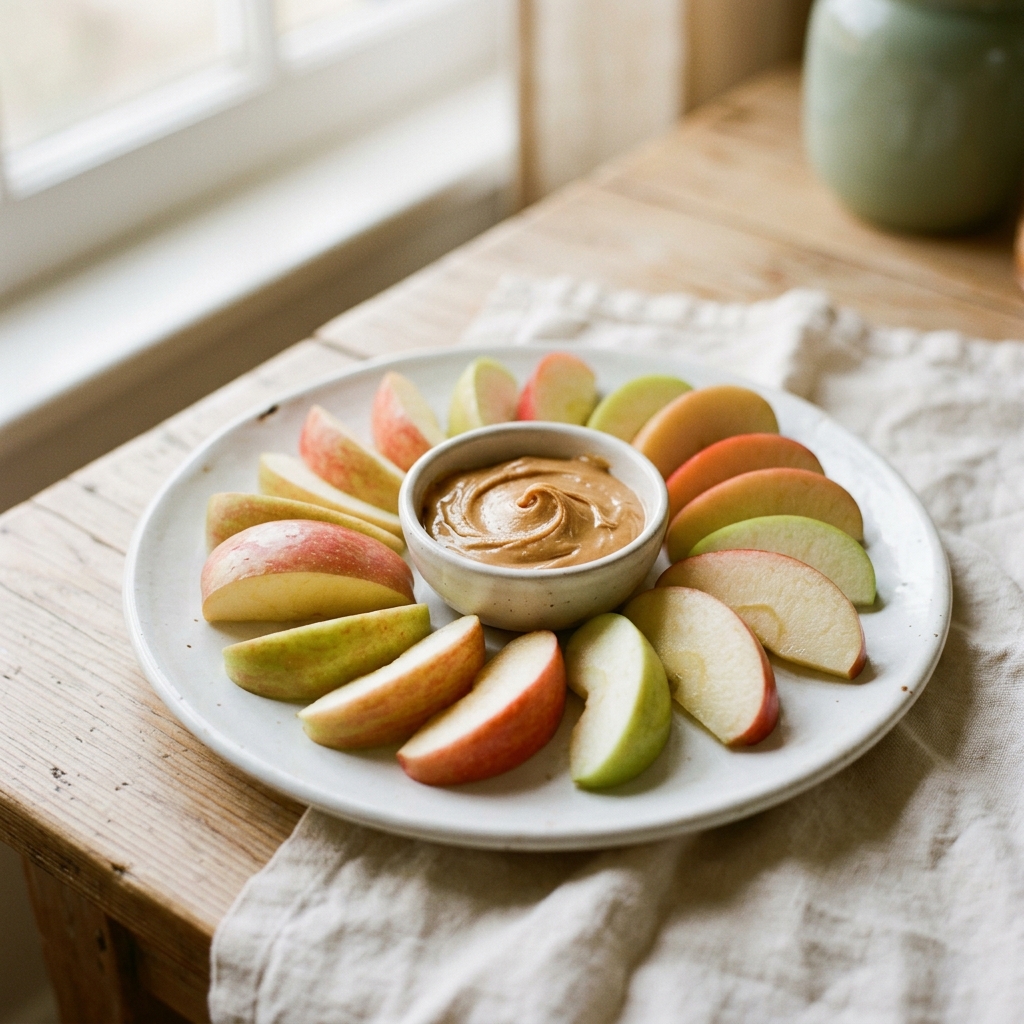
The best healthy snacks for kids aren’t just nutritious on paper. They’re snacks your child will pick up, eat without a standoff, and actually feel full from. Pairing two food groups is the simplest formula that works: think apple slices with peanut butter, or whole grain crackers with string cheese. In this article, you’ll find 15 snack ideas ranging from zero-prep to make-ahead, a no-bake energy bite recipe you can batch on Sunday, and a snack station setup that cuts the after-school chaos significantly.
It’s 3:30 p.m., the backpacks just hit the floor, and a small hungry person is circling your ankles like a shark. You open the fridge, stare blankly, and think, “Just grab an apple.” Reader, they will not grab an apple. We’ve all been there. The real challenge with healthy snacks for kids isn’t finding options that look good on a list. It’s finding ones your kids will eat without negotiating, twice, while standing in the kitchen.
That’s exactly what this is for. Easy, practical, kid-tested healthy snack ideas for kids, plus a make-ahead recipe and a setup trick that takes snack time from chaotic to calm.
Why Most “Healthy” Snacks Get Rejected (And What to Do Instead)
If your kid has ever shoved a perfectly good snack off the counter, it’s probably not about nutrition. Kids reject snacks for three very predictable reasons, and once you know them, you can work around them.
- Texture: A slimy cucumber or mushy banana is a hard no for most kids. Fix it by cutting differently (coins instead of chunks) or pairing with a dip. Dips make almost everything better.
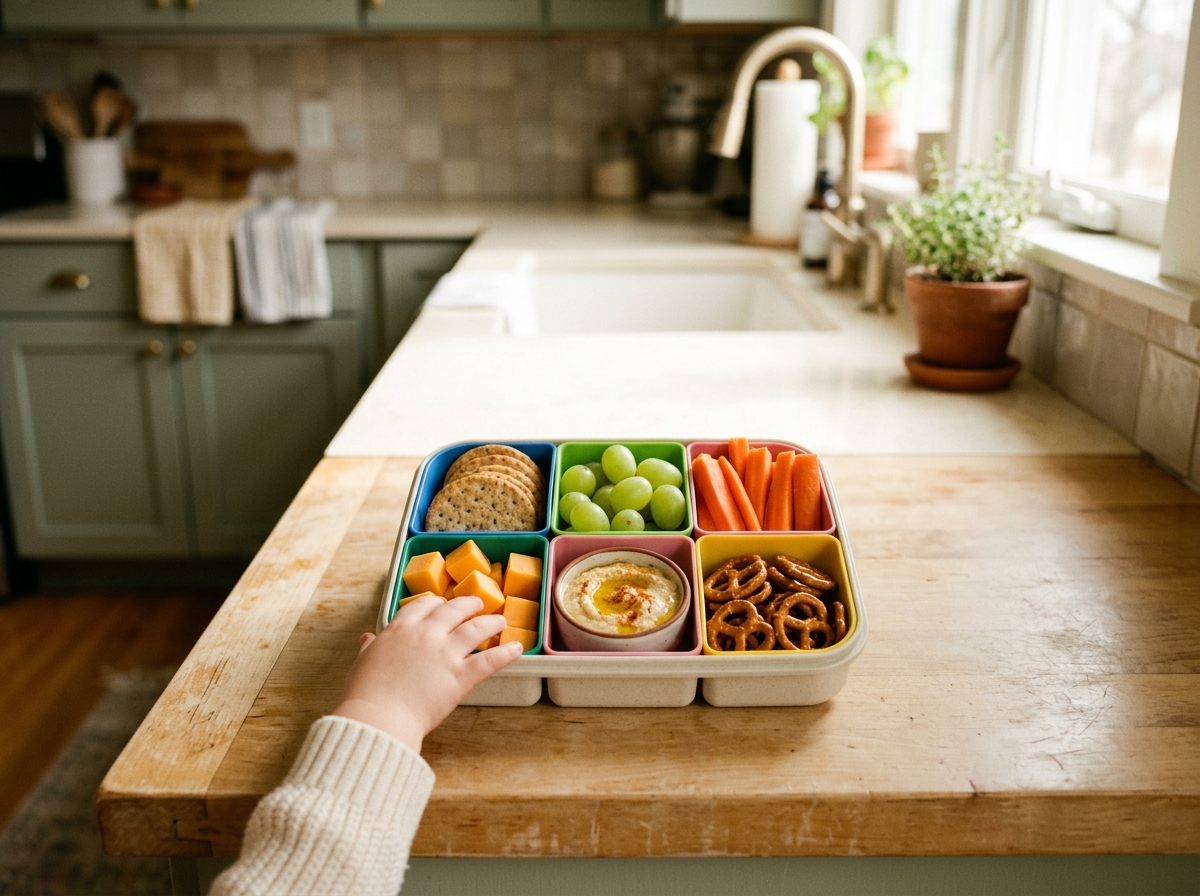
- Presentation: A snack that looks like a “kid plate” (colorful, arranged, fun) gets eaten at a much higher rate than the same food dumped in a bowl. It doesn’t have to be elaborate. A few skewer sticks or a divided container goes a long way.
- Lack of choice: Kids are wired to assert control, especially between ages 2 and 8 when picky eating is completely developmentally normal. The fix is the “snack menu” trick: offer two options, both pre-approved by you. They pick. You win either way.
The goal with easy healthy snacks for kids is never perfection. It’s finding a rotation that works with your family’s actual life and that doesn’t end in tears before dinner.
The Two-Food-Group Pairing Rule (The Secret Behind Snacks That Actually Keep Kids Full)
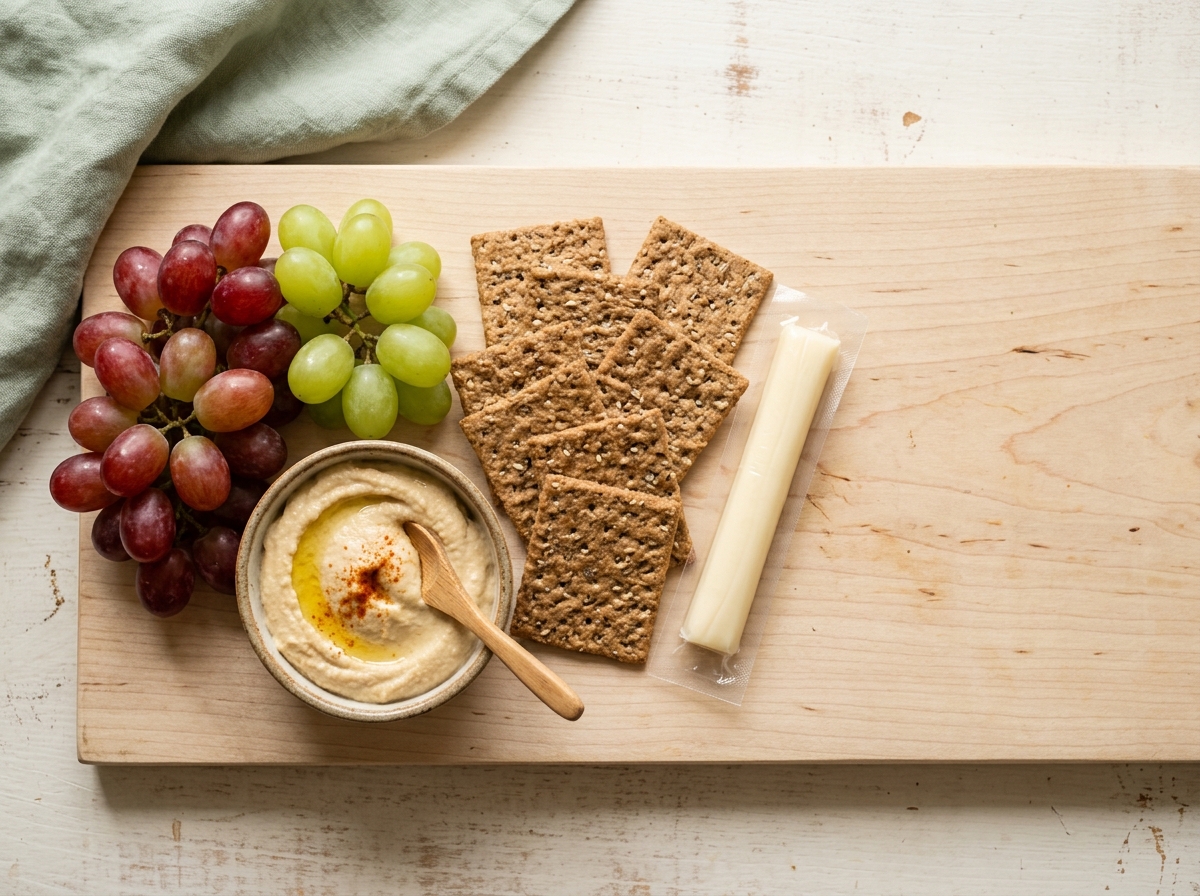
This is the single framework that changed how I think about snack time. According to the USDA MyPlate guidelines, a balanced eating pattern draws from five food groups: fruits, vegetables, grains, protein, and dairy. A satisfying kids’ snack should hit at least two of them.
Here’s why it works: protein and fat slow down how quickly sugar enters the bloodstream, which prevents the 4 p.m. energy crash that leads to meltdowns and a dinner table disaster. Fruit alone spikes quickly. Fruit with peanut butter? That holds them.
Four pairings to keep in your back pocket:
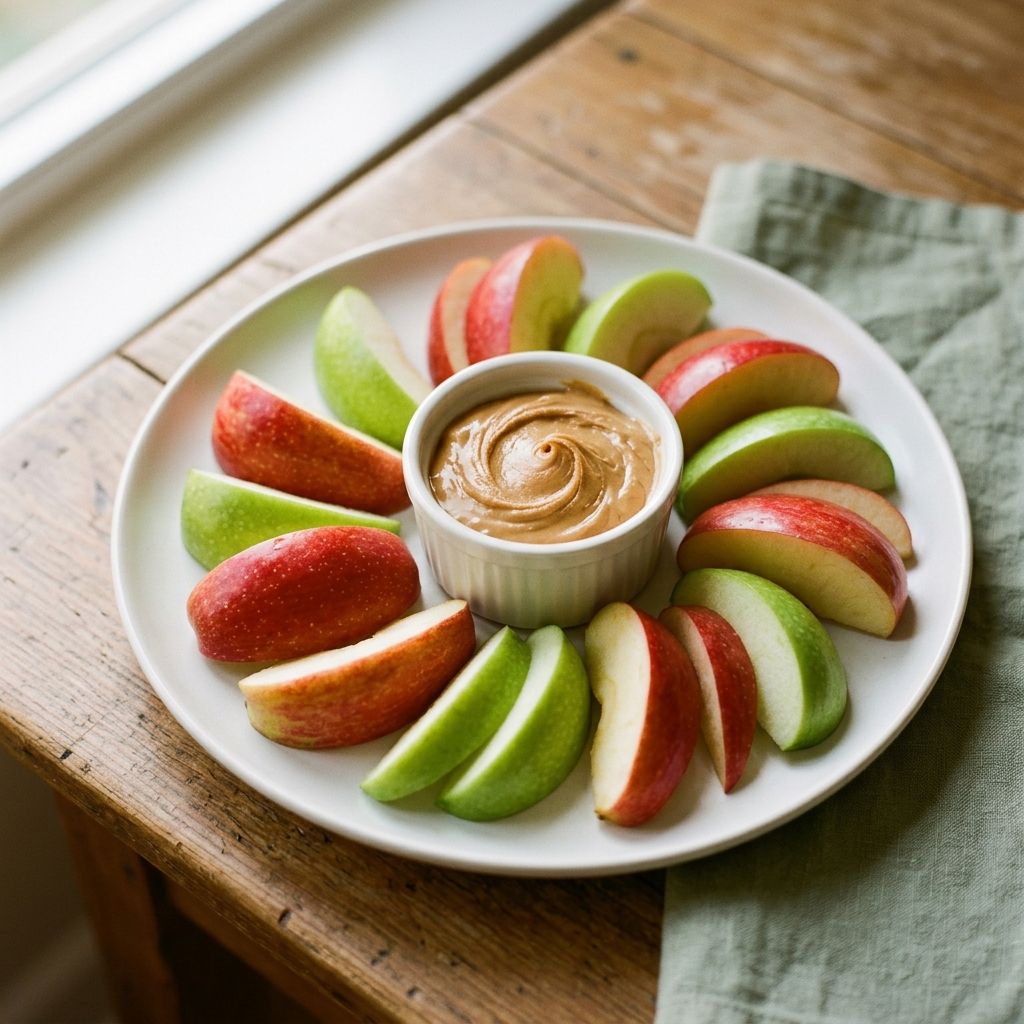
- Fruit + Protein: Apple slices with peanut butter, banana with almond butter
- Whole Grain + Dairy: Whole grain crackers with string cheese or cottage cheese
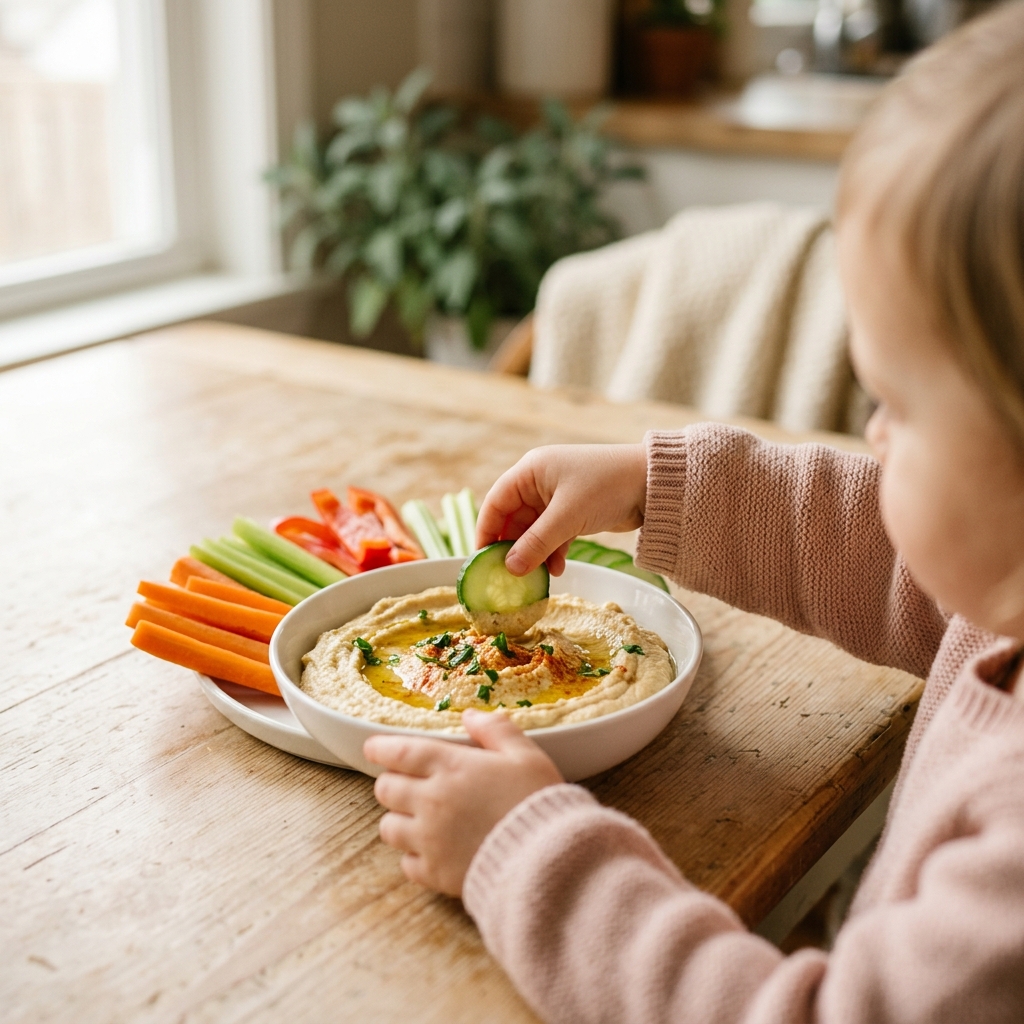
- Veggie + Fat/Protein: Cucumber slices with hummus, celery with sunflower butter
- Fruit + Dairy: Fresh berries with Greek yogurt, sliced peaches with cottage cheese
For school-age kids, general pediatric guidance suggests snacks in the 150 to 200 calorie range work well between meals. (This is a general guideline, not medical advice. Your pediatrician is always the right source for guidance specific to your child.)
According to HealthyChildren.org at the American Academy of Pediatrics, parents should steer clear of processed foods and added sugars when choosing snacks for children, since these products typically lack nutritional value and often contain unhealthy ingredients. Whole-food pairings are the straightforward alternative.
15 Healthy Snack Ideas for Kids (No-Prep to Make-Ahead)
Zero-Prep Grab-and-Go Snacks
These are the weekday workhorses. Pre-portion them into snack bags on Sunday night and they’re ready to grab all week.
- String cheese + grapes: A classic pairing that hits protein and fruit. If your kids are anything like most, there will be an argument over who gets the last string cheese.
- Apple slices + single-serve peanut butter cup: Pre-slice apples and store with a squeeze of lemon juice to keep them fresh. Pair with a single-serve nut butter packet for mess-free dipping.
- Baby carrots + hummus single-serve pack: The single-serve hummus packs are a game changer for school bags. No spill, no mess, no excuses not to pack them.
- Whole grain crackers + turkey roll-ups: Layer deli turkey with a thin swipe of cream cheese, roll, slice, and refrigerate. It takes five minutes and looks like you tried harder than you did.
- Freeze-dried fruit + almonds: Crunchy, sweet, portable, and no refrigeration needed. A note on the almonds: whole almonds are generally appropriate for kids four and older. For younger toddlers, swap for sliced almonds or skip the nuts entirely.
These five cover your healthy after school snacks rotation without any cooking involved. When you want a few more zero-effort options to rotate in, the easy snacks for kids roundup is full of quick pairings.
5-Minute Assembly Snacks
Kids who help put together their snack are far more likely to eat it. These are simple enough that a four-year-old can be involved in at least one step.
- Ants on a log: Celery + peanut butter + raisins. Still works. Always will. For nut-free households, sunflower butter is a seamless swap.
- Snack “pizza” on a rice cake: Spread cream cheese on a rice cake and top with sliced strawberries. Kids love the word “pizza” attached to anything.
- Yogurt parfait cup: Greek yogurt + granola + frozen blueberries. Let the blueberries thaw right in the cup for about 10 minutes. They become jammy and sweet, which most kids love.
- Homemade trail mix: Popcorn + pretzels + a small handful of dark chocolate chips + dried mango. Let kids scoop their own portions for built-in snack enthusiasm.
- Fruit kabobs: Thread grapes, melon cubes, and strawberries on a skewer (or a popsicle stick for younger kids). Five minutes, zero cooking, and kids can assemble their own.
Make-Ahead Snacks (Batch Once, Snack All Week)
Sunday prep is where the week either holds together or falls apart. These options all store well and travel even better.
- No-bake energy bites: The full recipe is below. Make a double batch and freeze half.
- Muffin-tin egg cups: Whisk eggs with whatever veggies or cheese you have, pour into a greased muffin tin, and bake at 350°F until set, about 18 to 20 minutes. They keep in the refrigerator for up to four days.
- Homemade yogurt popsicles: Blend Greek yogurt with fresh or frozen fruit, pour into popsicle molds, and freeze for at least four hours. Kids think it’s dessert. You know it’s protein and calcium.
- Flavored water ice cubes: Freeze 100% fruit juice in an ice cube tray, then add the cubes to water. It flavors the water naturally without added sugar, and kids think it’s a treat. If you want a simple kid-friendly vegetable side that doubles as a low-key snack option, a baked ranch carrot recipe is surprisingly popular with the under-ten crowd.
Ingredients
Here’s what you need to make one batch (yields approximately 18 bites). The sunflower seed butter swap is listed right here so you don’t have to scroll to find it if you’re working with a nut-free household.
- 1 cup old-fashioned rolled oats
- ½ cup creamy peanut butter (or sunflower seed butter for nut-free)
- ⅓ cup honey
- ½ cup mini chocolate chips
- 2 tablespoons ground flaxseed (optional but adds fiber and omega-3s)
- 1 teaspoon pure vanilla extract
- Pinch of salt
Instructions
- Add all ingredients to a large mixing bowl and stir until fully combined. The mixture will look crumbly at first. Keep stirring. It comes together.
- Cover the bowl and refrigerate for 30 minutes. This step is non-negotiable. It firms the mixture up enough to roll into balls. Skip it and you’ll end up with a sticky mess.
- Once chilled, scoop approximately 1 tablespoon of mixture and roll between your palms to form a ball about 1 inch in diameter.
- Place finished bites on a parchment-lined baking sheet or plate.
- Refrigerate bites for an additional 15 minutes to set, then transfer to an airtight container.
- Store in the refrigerator for up to 1 week, or freeze in a zip-lock bag for up to 3 months.
Kids four and up can absolutely help with the rolling step. It’s a little messy and a lot of fun, and it means they’re already invested in eating what they made. This recipe makes about 18 bites total.
Recipe Card
| Prep Time | 10 minutes |
|---|---|
| Chill Time | 45 minutes |
| Total Time | 55 minutes |
| Yield | Approximately 18 bites (1 bite per serving) |
| Storage | Refrigerator: up to 1 week | Freezer: up to 3 months |
| Difficulty | Easy (no baking required) |
Make-Ahead Tips & Substitutions
Make-Ahead Tips
- Double the batch: this recipe scales perfectly. Make 36 bites at once and freeze half in a single layer on a parchment-lined sheet for one hour before transferring to a zip bag. They won’t clump together.
- Pack directly from frozen in a lunchbox. They thaw to perfect texture in about two to three hours at room temperature, right in time for afternoon snack.
- Label your freezer bags with the date using a Sharpie. Use within three months for the best texture, though in my experience they rarely last that long.
Substitutions
- Nut allergy: Swap peanut butter 1:1 with sunflower seed butter or tahini. Note that tahini produces a slightly more savory bite, so add an extra tablespoon of honey to balance the flavor.
- No flaxseed on hand: Skip it entirely, or substitute with the same quantity of hemp seeds or chia seeds.
- Chocolate-free option: Replace mini chocolate chips with raisins, dried cranberries, or shredded unsweetened coconut. The cranberry version is particularly popular.
- Gluten sensitivity: Use certified gluten-free oats. The rest of the recipe is naturally gluten-free.
Set Up a Snack Station Your Kids Can Actually Use
This is the change that made after-school snack time about 80% less chaotic in our house. Dedicating one low shelf in the fridge and one basket in the pantry as a kid-accessible snack zone means your kids can self-serve from pre-approved options, and you stop being the snack vending machine every 20 minutes.
Fridge Snack Zone Setup
Use a clear bin on the bottom shelf so kids can see exactly what’s in it. Stock it with pre-cut fruit in small containers, pre-portioned cheese cubes, individual yogurt cups, and pre-washed snap peas or baby carrots. Refresh it every two to three days during a quick Sunday prep session. Seeing it stocked and ready makes kids far more likely to reach for it on their own.
Pantry Snack Basket Setup
Keep a basket at kid-height with single-serve popcorn bags, individual nut butter packets, whole grain crackers, and dried fruit. Everything in the basket is pre-approved. Kids can pick from it freely, which builds autonomy and, over time, reduces the “I don’t want that” pushback you’d get if you handed them something.
Kids ages four and up who can self-select from a snack station like this tend to show more willingness to try new foods over time. That’s a practical behavioral benefit, not a miracle. They just feel more in control, and control matters a lot to small people.
Setting this up takes about ten to fifteen minutes on Sunday and pays off every single day of the week. Pair it with the energy bites batch you already made, and your healthy snack ideas for kids are covered through Friday.
Frequently Asked Questions About Healthy Snacks for Kids
What are the healthiest snacks for kids?
The healthiest snacks for kids pair at least two food groups to provide sustained energy. Top options include apple slices with peanut butter, Greek yogurt with berries, string cheese with whole grain crackers, and homemade energy bites. According to the American Academy of Pediatrics, avoiding processed foods and added sugars is key. The healthiest snack is in the end the one your child will actually eat consistently.
What are good easy healthy snacks for kids on school days?
On school days, the easiest healthy snack ideas for kids are ones you batch-prep on Sunday. Portioned trail mix, no-bake energy bites, pre-cut fruit in snack containers, and string cheese all travel well and require zero morning effort. A batch of crispy roasted chickpeas is another lunchbox-friendly option that keeps its crunch. If your morning is already chaotic, a grab-and-go bin in the fridge eliminates the decision entirely.
How many snacks should a school-age kid have per day?
Most school-age children (ages 5 to 12) do well with one to two snacks per day, typically mid-morning and after school. Toddlers and preschoolers often need two to three smaller snacks daily because of their smaller stomach capacity. Always follow your child’s hunger cues, and check with your pediatrician if you have specific concerns about intake or growth.
What are the best healthy after school snacks for kids?
The best healthy after school snacks refuel kids after a long day and hold them over until dinner without spoiling appetites. Aim for a combination of protein and complex carbs: hummus with whole grain crackers, a small peanut butter and banana wrap, or a yogurt parfait with granola. High-sugar snacks spike energy fast and lead to a crash right before dinner, which nobody needs.
Can I make healthy snacks for kids ahead of time?
Yes, and batch prepping snacks is one of the most effective ways to actually stick to healthy choices through a busy week. No-bake energy bites, muffin-tin egg cups, and homemade yogurt popsicles can all be made in under 30 minutes and stored in the fridge or freezer. You do the work once; the week takes care of itself.


