
School Snacks for Kids: Easy Lunchbox Ideas
School snacks for kids should be portable, easy to pack, and balanced with at least one whole food component like fruit, a whole grain, or a protein source to keep energy steady between meals.
Last updated: June 2026
Quick Answer: School Snacks for Kids
The best school snacks for kids pair something filling (protein or healthy fat) with something wholesome (fruit, whole grain, or vegetable) and survive a backpack ride without turning into a science experiment. String cheese and crackers, apple slices with sunflower butter, homemade energy balls, and Greek yogurt pouches are perennial wins because they’re portable, kid-approved, and nutritious without requiring a culinary degree at 7 a.m.
Snack time can feel like a part-time job when you’ve got school-age kids. Between nut-free classroom policies, picky eaters, and the reality that a school year has 180 days (that’s 360-plus individual snack moments for two kids), the pressure is real. Here’s what’s working in our lunchboxes right now, plus a hero recipe you’ll make on repeat.
What Actually Makes a Good School Snack
Not all snacks are created equal. A bag of gummy bears and a snack is technically a snack. But it won’t do your kid any favors by 10:30 a.m. when their stomach is growling and they can’t focus.
The 3-Part Snack Formula
I’ve found that the snacks that actually work follow a simple pattern:
- Whole food base: fruit, vegetable, whole grain, dairy, or legume
- A protein or fat anchor: keeps kids full longer and prevents the energy crash before lunch or dinner
- Packability factor: survives 2-4 hours in a bag without becoming unrecognizable
According to HealthyChildren.org, the best snacks for kids center on raw vegetables and fruit, yogurt dip, hummus, and cheese sticks, while steering clear of processed foods and added sugars. That lines up with what I reach for every week.
Nutrition Benchmarks to Look For on Packaged Labels
You don’t need to audit every label obsessively, but these four numbers tell you most of what you need to know:
- Fiber: 3g or more per serving
- Protein: 3g or more per serving
- Sodium: 160mg or less per serving
- Sugar source: from fruit or dairy, not refined sugars listed in the top three ingredients
If you want more ideas that hit these marks without much effort, this list of high-protein snacks for kids is worth bookmarking alongside this one.
Ingredients
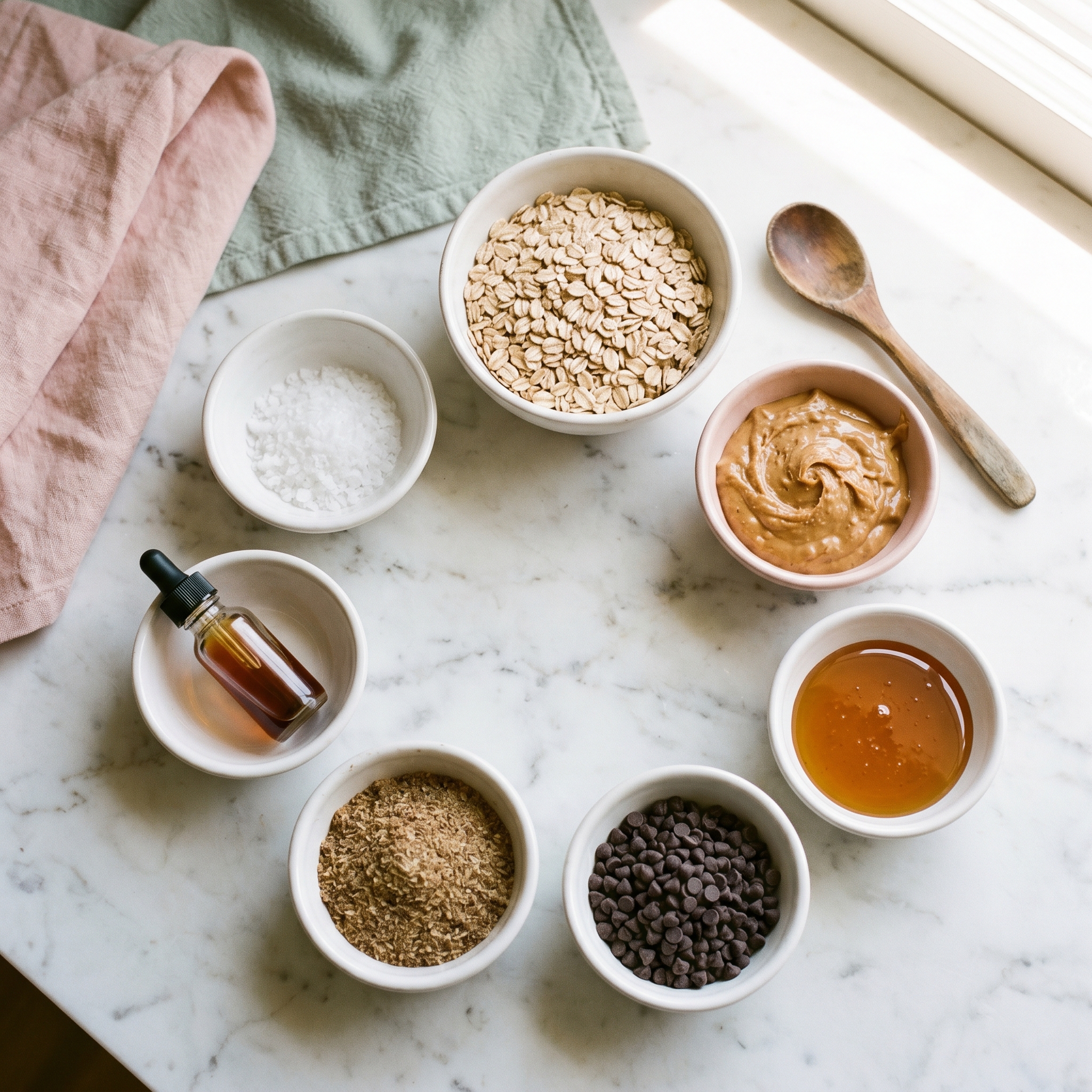
This No-Bake Peanut Butter Oat Energy Ball recipe is the one I make almost every Sunday. It yields about 20 balls, uses pantry staples most families already have, and is completely nut-free adaptable (critical for classroom snack situations with allergy policies). Just swap the peanut butter for sunflower seed butter and you’re good to go.
- 2 cups old-fashioned rolled oats
- ½ cup creamy peanut butter (or sunflower seed butter for nut-free)
- ⅓ cup honey
- ¼ cup mini chocolate chips
- 2 tablespoons ground flaxseed
- 1 teaspoon pure vanilla extract
- Pinch of fine sea salt
Instructions
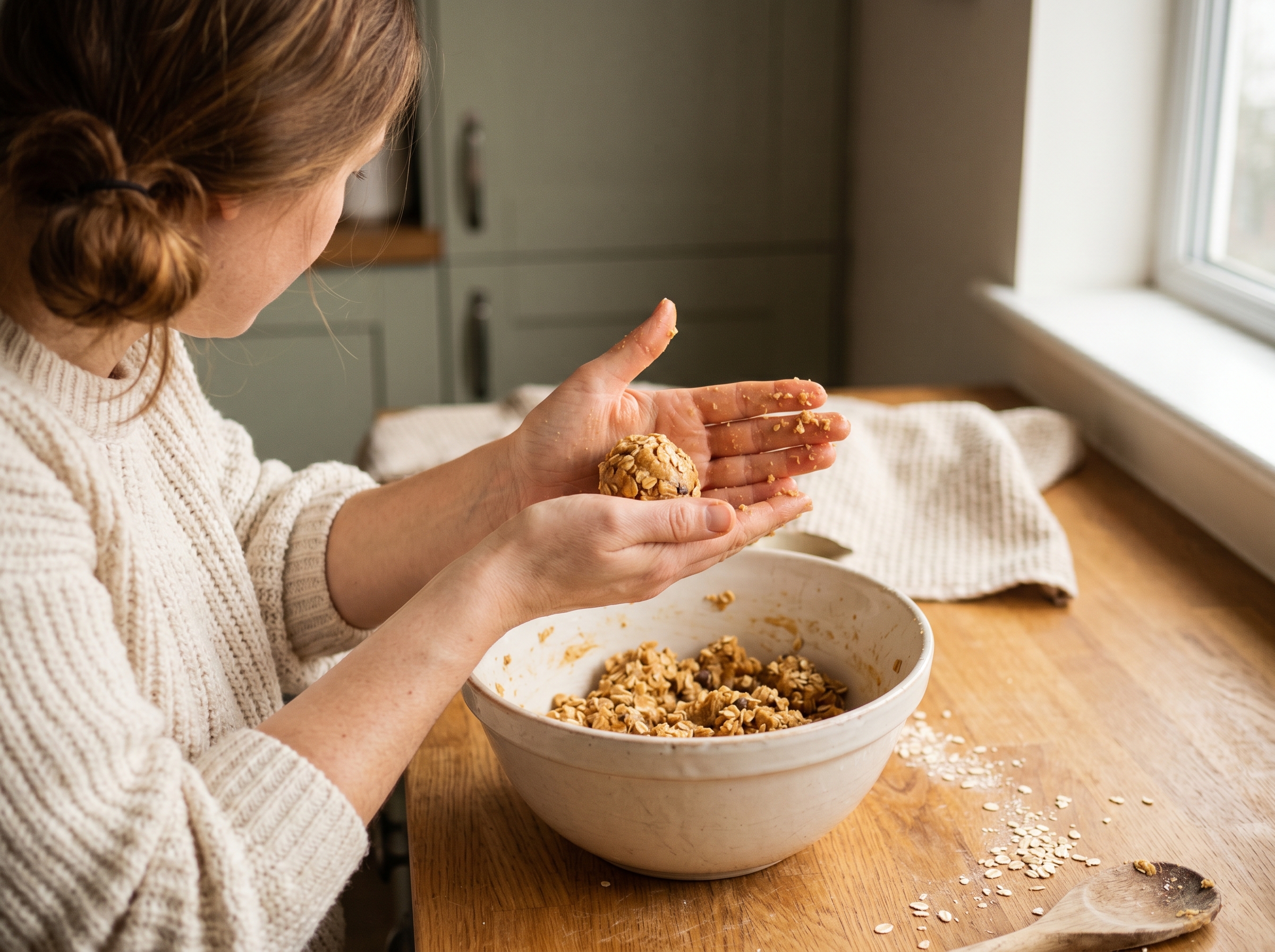
Kids can absolutely help with this recipe, especially the rolling step. Involving them in prep tends to make them much more excited to eat it later.
- In a large mixing bowl, stir together the rolled oats, peanut butter, honey, vanilla extract, and salt until fully combined.
- Fold in the mini chocolate chips and ground flaxseed.
- Cover the bowl with plastic wrap and refrigerate for 30 minutes. Don’t skip the chill time; it makes rolling much easier and far less sticky.
- Using clean hands or a small cookie scoop (about 1 tablespoon), roll the mixture into 1-inch balls. Slightly damp hands prevent sticking.
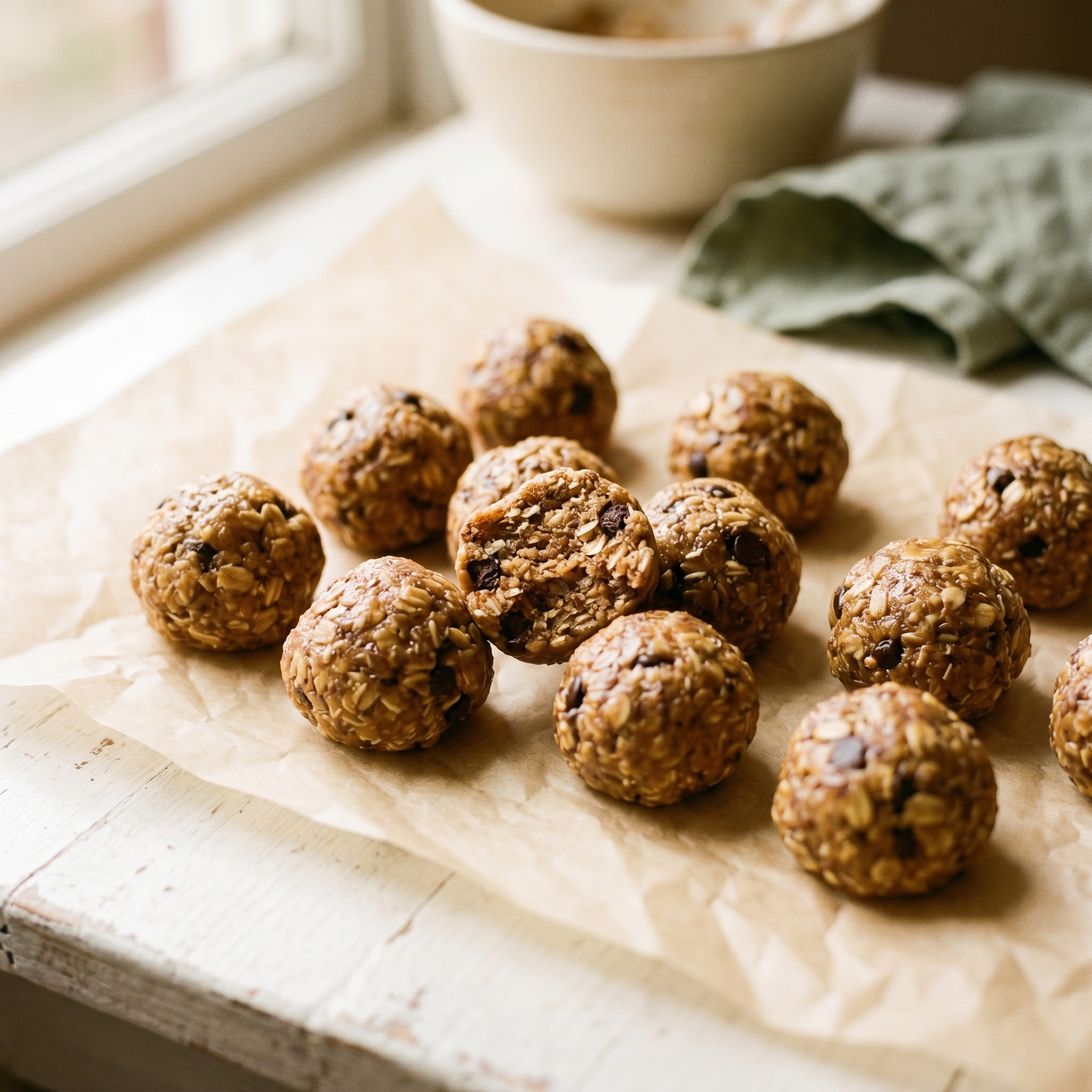
- Place finished balls on a parchment-lined baking sheet or plate.
- Refrigerate for an additional 15 minutes to firm up before packing or storing.
Recipe Card
| Detail | Info |
|---|---|
| Prep Time | 10 minutes |
| Chill Time | 45 minutes |
| Total Time | 55 minutes |
| Yield | ~20 energy balls (about 4 servings of 5 balls each) |
20 More Easy Lunchbox Snacks for Kids
Energy balls are great, but variety keeps kids from staging a snack mutiny by October. These packable school snacks are organized by category so you can mix and match throughout the week without repeating yourself.
Fruit-Based Snacks (No Prep or Minimal Prep)
Fruit is nature’s convenience food, and a little prep strategy goes a long way. Pair each option with a protein to avoid the blood sugar spike-and-crash that makes for a grumpy second-grader.
- Sliced apples + sunflower butter container: squeeze a little lemon juice on the apple slices to prevent browning
- Frozen grapes: pack them frozen and they thaw to perfection by snack time
- Clementines: self-contained, zero prep, naturally portioned (kids love peeling them)
- Banana with whole grain crackers: 5-6 crackers alongside a banana makes a surprisingly filling combo
- Fruit skewers: strawberries, grapes, and melon cubes on short skewers; a fun option for classroom snack parties too
Protein-Powered Snacks
These are the ones that actually keep kids going until lunch, not just for 20 minutes.
- String cheese + whole grain crackers: nearly universal acceptance; look for string cheese with at least 3g of protein per stick
- Hard-boiled eggs with everything bagel seasoning: prep a batch on Sunday and they’re ready all week
- Cottage cheese cups with pineapple or peach chunks: sweet, creamy, and surprisingly filling
- Greek yogurt pouches: look for options with 8g of added sugar or less
- Hummus + mini pita rounds + baby carrots: one of the best all-in-one packable combinations because it covers protein, fiber, and crunch in a single container
Crunchy Snacks Kids Actually Eat
Sometimes kids just want something with texture and crunch, and there are solid whole-food options that deliver.
- Air-popped popcorn: 3 cups gives about 3g of fiber and it’s naturally whole grain
- DIY trail mix: sunflower seeds, pumpkin seeds, dried cranberries, and a few chocolate chips; aim for a roughly 3:1 healthy-to-treat ratio
- Whole grain crackers with sliced cheddar: classic for a reason
- Cucumber rounds + cream cheese: cool, crisp, and easy to portion
- Kale chips: homemade or store-bought; kids who won’t touch a salad will often eat these without complaint
No-Refrigeration School Snacks
For days when an ice pack isn’t practical or the school bag situation is unpredictable, these packable school snacks require zero cooling.
- Roasted chickpeas: shelf-stable and surprisingly satisfying; you can find a simple method for crispy roasted chickpeas that works in both the oven and air fryer
- Individual seed butter packets + banana: no container needed
- Unsweetened applesauce pouches: convenient, mess-free, and widely liked
- Whole grain fig bars: look for 10g of total sugar or less per bar
- Seaweed snack packs: a surprisingly popular option with kids who like salty snacks
Snack Ideas by Age: Kindergarten to Middle School
One thing most snack guides skip entirely is how much a child’s age changes what works in the lunchbox. A snack that’s perfect for your 10-year-old might be a frustrating mess for your 5-year-old.
Kindergarten and Early Elementary (Ages 5-7)
Easy-to-open packaging is the first priority here. Practice opening any new containers at home before the school day so kids aren’t struggling in front of their classmates. Finger foods consistently win in this age group: cubed cheese, grapes (halved for safety), and mini crackers are all solid choices.
General pediatric guidance suggests snack portions for this age generally fall in the 100-150 calorie range, scaling with a child’s individual appetite and activity level. Best bets: the energy ball recipe above, an applesauce pouch, and string cheese. Avoid anything with small loose pieces that require a utensil to eat.
Upper Elementary (Ages 8-11)
Kids in this range can handle more complex combinations and open most packaging on their own. This is a great stage to involve them in choosing snacks, which cuts down on rejected lunchboxes considerably. In my experience, kids who pick their own snack options are much more likely to actually eat them.
Best bets: trail mix, the hummus-and-crackers-and-veggies combo, Greek yogurt cups, and homemade energy balls.
Middle and High School (Ages 12 and Up)
Portion needs increase noticeably at this stage; caloric requirements rise with puberty and growth. If you can get middle and high schoolers packing their own snacks, they’ll have more buy-in and you’ll waste less food. A double batch of energy balls is a great start, alongside hard-boiled eggs, cottage cheese cups, and roasted chickpeas for something more substantial.
Classroom Snack Policies: What Most Parents Don’t Check
This is the piece that catches a lot of parents off guard, especially in the first few weeks of school.
The Nut-Free Rule
Many US classrooms, especially K-5, have district-wide or classroom-level nut-free policies. Always check with the teacher at the very start of the year, not just for holiday parties but for daily lunchbox snacks. The fix is simple: sunflower seed butter swaps 1:1 for peanut butter in every recipe on this list, and pumpkin seeds work in place of peanuts in trail mix. The texture is nearly identical and most kids don’t notice the difference.
Allergy-Aware Classroom Party Snacks
The safest choices for classroom snack parties are whole fruit, plain air-popped popcorn, fruit skewers, and rice cakes with sunflower butter. When in doubt, bring the ingredient label with you or make something from scratch that you can personally account for.
Worth knowing: some schools require store-bought items with a visible, intact ingredient label for allergy verification purposes. Check with the teacher before baking anything for a class party.
Make-Ahead Tips and Substitutions
A little prep on Sunday is what makes weekday mornings feel manageable rather than frantic.
Make-Ahead Tips
- Energy balls: make a full batch (about 20 balls) on Sunday; they keep in an airtight container in the refrigerator for up to 7 days or in the freezer for up to 3 months
- Hard-boiled eggs: cook a 6-egg batch on Sunday and they’ll keep refrigerated for 5 days, one per school day
- Trail mix: pre-portion into 5 small zip bags at once; takes under 5 minutes and eliminates decision fatigue at 7 a.m.
- Fruit and vegetables: wash and cut in bulk at the start of the week; store in airtight containers lined with a paper towel to absorb moisture and extend freshness
A full week of snack prep for two kids takes about 20-25 minutes on a Sunday afternoon. That’s it. Front-loading that small block of time makes every morning smoother.
Easy Substitutions
- Peanut butter → sunflower seed butter: nut-free; nearly identical texture and flavor (SunButter is widely available)
- Honey → maple syrup: vegan-friendly; 1:1 swap with no flavor loss
- Mini chocolate chips → dried cranberries or raisins: makes the recipe completely refined-sugar-free
- Old-fashioned oats → quick oats: results in a slightly stickier dough; reduce honey by 1 teaspoon to compensate
- Ground flaxseed → chia seeds: same ratio; adds a slight crunch
The Weekly Snack Packing System That Saves Moms Time
Having good snack ideas is half the battle. The other half is a system that prevents you from reinventing the wheel every single morning.
The Sunday Reset method is exactly what it sounds like: one 20-minute window dedicated to snack prep only. Not full meal prep, not lunches, just snacks. Set up 5 labeled small containers or bags per child at once, Monday through Friday. When you open the fridge Monday morning, everything’s already done.
If your kids are 7 or 8 and up, a snack station makes a big difference. Designate one fridge shelf and one pantry shelf exclusively for kid snacks. When kids can see their options and grab independently, it cuts down on the “what’s for snack?” loop significantly.
The rotation rule helps prevent snack fatigue without overwhelming picky eaters: introduce one new snack per week alongside four familiar favorites. Most kids warm up to new foods more easily when there’s no pressure and the rest of the lineup is comfortable. Keep a running snack rotation list on your phone or a small whiteboard in the kitchen so you can note the hits, cross off the rejects, and avoid repeating the same five things all year. I find it also helps kids feel like they have a say, because you can ask them what they want added to the list.
Need more low-effort ideas you can pull into the rotation? This list of easy snacks for kids covers a lot of ground with minimal prep.
If you’re focused on nutrition, this roundup of healthy snacks for kids is another great bookmark.
Frequently Asked Questions
What are good snacks for kids to take to school?
Good school snacks combine at least one whole food with easy portability. Top picks include string cheese with whole grain crackers, apple slices with sunflower butter, homemade no-bake energy balls, Greek yogurt pouches, and air-popped popcorn. Pairing a carbohydrate with a protein or fat source helps energy stay steady rather than spiking and crashing before lunch.
What are the best school snacks that don’t need refrigeration?
Roasted chickpeas, whole grain fig bars, unsweetened applesauce pouches, seaweed snack packs, dried fruit and seed trail mix, and individually wrapped seed butter packets are all reliable no-refrigeration options. These travel well in a backpack and don’t require an ice pack, which is helpful on days when the lunchbox situation is less than ideal.
How do I find out the classroom snack policy before sending food to school?
Email or message the teacher directly in the first week of school. Ask specifically about nut-free requirements and whether store-bought snacks need to include a visible ingredient label. Some schools require sealed packaging with an intact label for classroom parties, so it’s worth knowing before you bake a batch of anything for a class event.
How much snack is the right amount for a school-age child?
General pediatric guidance suggests a snack of roughly 100-200 calories for elementary-age kids, scaling up for middle schoolers whose caloric needs increase with growth. The composition matters as much as the size: including protein or fat alongside carbohydrates helps maintain steady energy rather than a quick spike followed by a slump. When in doubt, follow your child’s hunger cues alongside these general benchmarks.
Can I make these energy balls nut-free for a kindergarten classroom?
Yes, and it’s a simple swap. Replace the peanut butter 1:1 with sunflower seed butter. SunButter is widely available at most grocery stores, the texture and binding are nearly identical to peanut butter, and the finished balls are completely peanut-free and tree nut-free. Double-check your chocolate chip brand for any shared-facility allergen warnings if the classroom has a severe allergy policy.


