
How to Make Gak (Classic Slime Recipe)
Gak is a stretchy, bouncy, non-Newtonian polymer made by combining white school glue, water, and a small amount of borax powder.
Last updated: June 2026
Quick Answer: How to Make Gak
Making gak takes less than 10 minutes and uses three basic ingredients: white school glue, water, and borax. You mix the glue with warm water, stir in gel food coloring, dissolve borax separately, then combine the two and knead until you get that satisfying, squishy, slightly bouncy texture. No curing time, no waiting, it’s ready to play with the second your hands pull it cleanly from the bowl.
You know that moment when the kids have been inside for two hours, someone’s already announced they’re “soooo bored,” and you need a plan, fast? This is that plan. Gak is one of those activities that sounds impressive, costs almost nothing, and keeps kids busy for way longer than you’d expect. Nickelodeon made it famous back in the early ’90s, and this DIY version is every bit as satisfying as the original green slime that got dumped on celebrities on national television.
In this guide you’ll find the classic borax gak recipe, a borax-free cornstarch version for younger kids, a full troubleshooting section for when things go sideways, storage tips, and a quick explanation of the science your kids are accidentally doing while they squish.
Quick Reference:
- Age Range: 5–12 years (borax version: 6+ with adult supervision)
- Time: 10 minutes or less; no curing time needed
- Mess Level: Medium (liquid glue is involved, protect your surfaces)
- Cost: About $3–$5 per batch
- Skill Level: Beginner
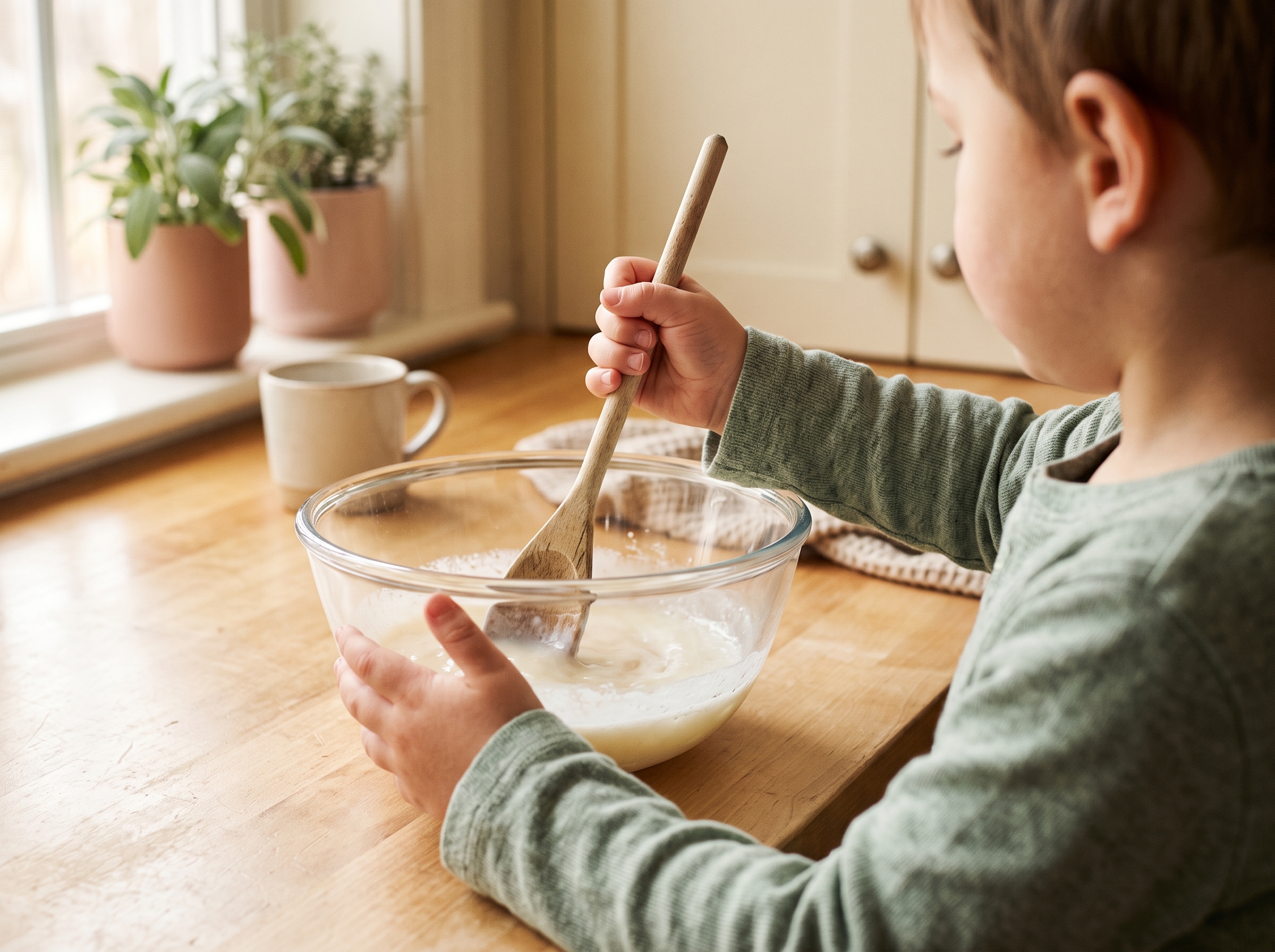
What Is Gak? (And Is It the Same Thing as Slime?)
Gak is a stretchy, squishy, non-Newtonian polymer, meaning it doesn’t behave quite like a liquid or a solid. It flows slowly when you leave it alone, but snap it fast and it actually holds together. That weird, rule-breaking behavior is exactly what makes it so irresistible to kids (and, let’s be honest, to us too).
Gak vs. Slime: The Real Difference
Gak and classic slime use the same basic chemistry, polyvinyl acetate (the glue) cross-linking with borate ions (from borax) to form a new polymer. The difference is in the ratios. Gak uses a higher glue-to-water ratio, which gives it a firmer, bouncier result that briefly holds its shape. Classic slime is more liquid-forward: runnier, stretchier, and glossier.
| Property | Gak | Classic Slime |
|---|---|---|
| Texture | Firm, doughy | Runny, silky |
| Bounce | Yes, slightly | No |
| Stickiness | Low (pulls cleanly) | Higher |
Why Kids Are Obsessed With It (Hint: It’s the Science)
Non-Newtonian fluids act like a solid under pressure but flow like a liquid when relaxed, gak is a perfect example of this. Apply force quickly and it snaps; leave it sitting and it slowly spreads flat. It’s the same principle behind cornstarch oobleck, but bouncier and far more portable. That unpredictable behavior is fascinating, and it ties naturally into the STEM win hiding inside every batch.
What You’ll Need
Classic Borax Gak Ingredients
| Ingredient | Amount | Notes |
|---|---|---|
| White school glue (PVA) | 8 oz (one standard Elmer’s bottle) | White only, NOT tacky or craft glue |
| Warm water (for glue mix) | ½ cup | Warm helps the glue thin evenly |
| Warm water (for borax mix) | ½ cup | Hot water dissolves borax faster |
| Borax powder | 1 teaspoon | Found in the laundry aisle; 20 Mule Team is the most common brand |
| Gel food coloring | 5–10 drops | Gel beats liquid for vivid, streak-free color |
- Glue: Generic store-brand works perfectly; off-brand school glue uses the same PVA formula and gives the same result.
- Borax: If your local store is out, Walmart.com and Amazon both carry it. One box makes dozens and dozens of batches.
- Food coloring: Gel coloring (Betty Crocker Neon or Wilton) gives much brighter results than liquid drops. For vivid neon shades, expect to use close to half a tube, more than you’d think.
Equipment You’ll Need
- Medium mixing bowl (at least 2-quart)
- Separate small cup or bowl for the borax solution
- Spoon or craft stick for stirring
- Measuring cups and measuring spoons
- Plastic tablecloth or parchment paper to protect your work surface
- Zip-top freezer bag for storage
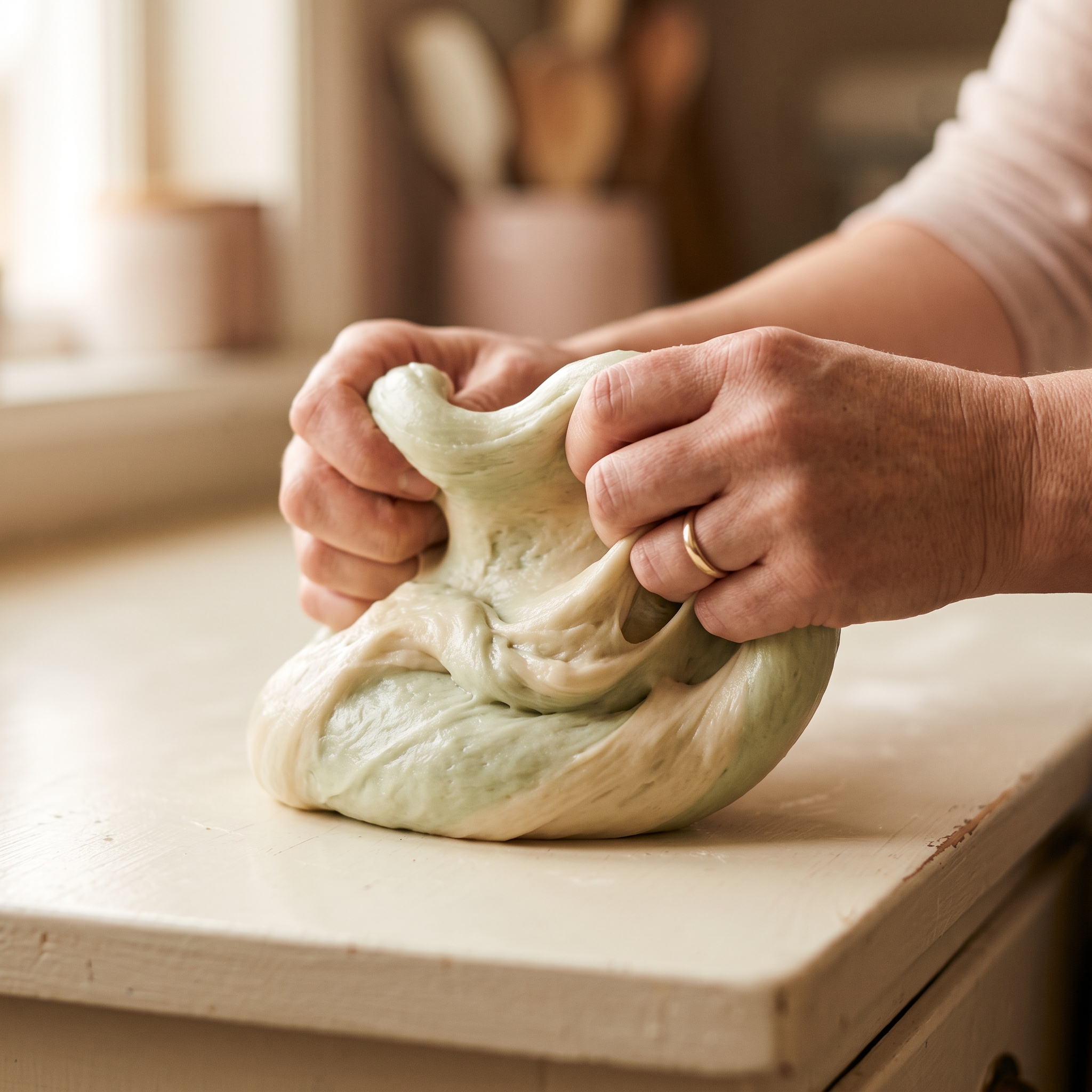
How to Make Gak: Step-by-Step Instructions
The whole process takes under 10 minutes, start to finish. Here’s exactly how to do it:
- Mix the glue and water. Empty the full 8 oz bottle of white glue into your medium bowl. Fill the empty bottle with ½ cup warm water, cap it, and shake to catch every last drop of glue. Pour into the bowl and stir until smooth.
- Add your color. Drop in 5–10 drops of gel food coloring. Stir until the color is fully blended and no streaks remain. Set this bowl aside.
- Make the borax solution. In your separate small cup, dissolve 1 teaspoon of borax into ½ cup of warm water. Stir for about 60 seconds until the powder is fully dissolved. If it won’t fully dissolve, microwave in 15-second bursts and stir between each one.
- Combine. Slowly pour the borax solution into the glue bowl while stirring constantly. You’ll see it turn stringy almost immediately, that’s the polymer chains forming, and it’s extremely satisfying to watch.
- Knead with your hands. Press, fold, and squish the mixture for 2–3 minutes. Any excess water will absorb as you work. The gak is ready when it no longer feels wet and pulls cleanly away from the bowl with no residue.
- Play and store. Gak is immediately ready to use. When done, store it in a sealed zip-top freezer bag. It keeps for 2–3 weeks at room temperature or up to 4–5 weeks in the refrigerator.
Gak Recipe Without Borax (Cornstarch Version)
If you’re making this with kids under 6, or you’d simply prefer to skip borax, this cornstarch version is a solid option. Keeping young children away from powder-form chemicals during hands-on play is a reasonable precaution on its own, and this version sidesteps that entirely.
Ingredients:
- 4 oz white school glue
- ¼ cup cornstarch
- ¼ cup water
- Food coloring (optional)
Stir the glue and water together until smooth, mix in food coloring if using, then slowly add the cornstarch a little at a time, stirring as you go. Knead with your hands for 1–2 minutes until it holds together. That’s it.
The texture is noticeably different from the borax version. Cornstarch gak is denser, less stretchy, and closer to oobleck in feel, it won’t bounce, but kids who love squishing and pressing will still enjoy it. The trade-off is shelf life: cornstarch gak lasts about 1–2 days before it starts to dry out, compared to the 2–4 weeks you get with the borax version.
Gak Troubleshooting: What to Do When It Goes Wrong
Too Sticky / Won’t Pull Away From the Bowl
Add borax solution ½ teaspoon at a time and knead it in thoroughly between each addition. Repeat until the gak stops sticking. Also check that your water was actually warm when you dissolved the borax, cold water doesn’t dissolve the powder properly, which means the chemical reaction can’t complete.
Too Stiff / Won’t Stretch
A bit too much borax got in. Knead in a few drops of warm water, a little at a time, until the gak becomes pliable again. This happens more often when very hot water is used, it speeds up the reaction faster than expected, and the gak sets quickly.
Color Is Too Light or Streaky
Liquid food coloring washes out as excess water drains off during kneading, which is why gel is the way to go. For neon shades, use far more gel coloring than you think you need, nearly half a tube is normal for a bright, saturated result.
Gak Dried Out After Storage
If the bag wasn’t fully sealed, knead in 1–2 teaspoons of warm water and work it back to the right consistency. If it’s been more than four or five weeks, it’s time for a fresh batch. At roughly $3–5 worth of ingredients per batch, that’s an easy call.
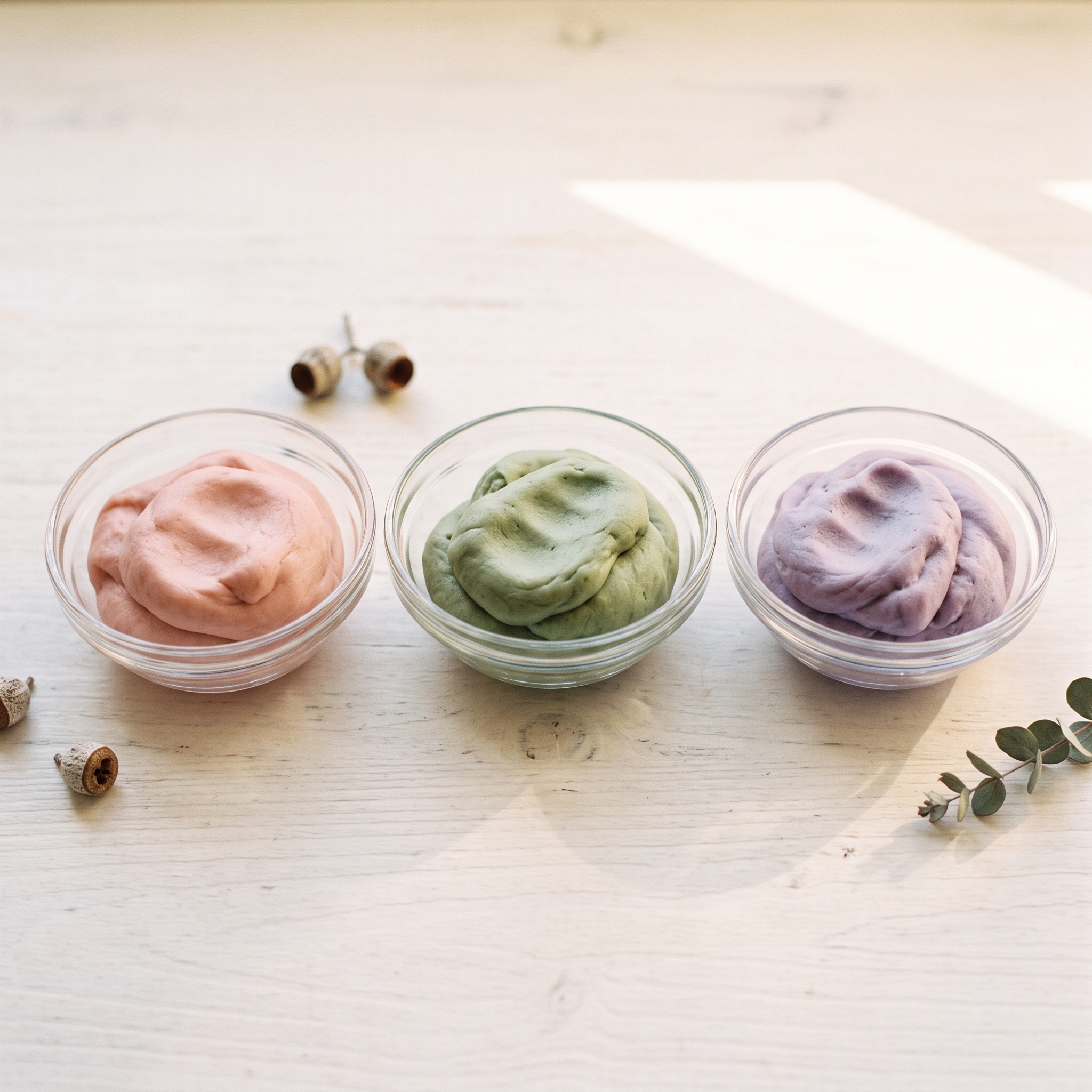
What Kids Learn (The Sneaky Science Win)
This is one of those activities that looks like pure chaos but is actually a beginner chemistry lesson in disguise. If you want to tie it into a science unit or a easy science experiment for kids, gak is a perfect starting point.
- Non-Newtonian fluids: Gak is a viscoelastic material, apply force fast and it behaves like a solid, leave it alone and it flows like a liquid. That’s not magic; it’s physics.
- Polymer chemistry: The PVA glue molecules (long chains) cross-link with borate ions from the borax to create an entirely new material with different properties than either ingredient alone.
- Observation and prediction: Ask your kids what they think will happen before each step. That simple question is the foundation of the scientific method.
- Fine motor skills: Kneading and manipulating gak builds real hand strength, which is especially valuable for preschool and early elementary ages.
Older kids can take this further as a science fair project by testing different borax-to-glue ratios and documenting how the texture changes. It’s more structured than it sounds, and kids who feel like scientists tend to stay engaged much longer.
Fun Ways to Play With Gak
Most gak guides stop at “hours of fun” without telling you what that actually looks like. Here are some specific activities that work well, especially on a rainy afternoon when you need structure alongside the sensory play. For more screen-free indoor ideas, a roundup of indoor toddler activities for rainy days has options that pair nicely with this one.
- Cookie cutter shapes: Gak holds impressions briefly before flowing flat, which makes letters and numbers great for older kids working on recognition.
- The bounce test: Roll into a ball and drop from about 12 inches, it bounces a couple of inches, less than a rubber ball but enough to make kids gasp every single time.
- Ooze race: Place a golf ball-sized lump on a flat, tilted surface and time how long it takes to spread. Stopwatches make this feel official.
- Handprint impressions: Press your hand in firmly, then pull away fast. The gak holds the print clearly for about 10 seconds before slowly releasing.
- Glitter gak: Add 1–2 teaspoons of fine craft glitter to the glue bowl along with the food coloring in step 2. Mix it in before adding the borax solution. The glitter distributes evenly and doesn’t come back out, which is a win for everyone’s sanity.
Frequently Asked Questions
How do you make gak with cornstarch and glue?
Mix 4 oz of white school glue with ¼ cup of water, add food coloring if you’d like, then slowly stir in ¼ cup of cornstarch. Knead with your hands for a minute or two until it holds together. The ratio to remember is 4 oz glue to ¼ cup cornstarch to ¼ cup water. See the cornstarch section above for the full walkthrough and notes on texture differences.
Is gak the same thing as slime?
They’re close cousins, not identical twins. Both use the same ingredients and the same polymer chemistry, but gak has a higher glue-to-water ratio, making it firmer and slightly bouncy. Classic slime is more liquid-forward: runnier, stretchier, and shinier. If you’ve ever had slime flow off a table before you could catch it, gak is the better-behaved sibling.
Is borax safe for kids to use in gak?
At the small concentration used in this recipe, 1 teaspoon per batch, borax carries a low risk for children ages 6 and up when you’re supervising closely. In my house that means dish gloves while kneading (borax can irritate skin with repeated contact), a firm no-snacking-near-the-bowls rule, and thorough handwashing the moment play wraps up. Borax and boric acid should never be swallowed or left on skin for long stretches, so keep the Poison Help line (1-800-222-1222) on hand just in case. For children under 6, skip borax entirely and use the cornstarch version.
How long does homemade gak last?
Stored in a fully sealed zip-top freezer bag, gak keeps for 2–3 weeks at room temperature and up to 4–5 weeks in the refrigerator. Toss it if it develops an odor, changes color unexpectedly, or starts to break down into a watery mess, those are signs the polymer structure has degraded.
Can I double the gak recipe?
Yes, and it scales perfectly. Double all ingredients evenly. If you want two colors, split the glue-water mixture into two bowls before adding food coloring, then add half the borax solution to each bowl separately. Two batches, two colors, zero drama, as long as you label whose is whose before the kneading starts.


