
Books About a New Baby (Big Sibling Prep)
Books about new baby for siblings are picture books and board books designed to help children ages 1–7 process the arrival of a new brother or sister, addressing feelings of jealousy, excitement, and confusion in age-appropriate, story-driven ways.
Last updated: July 2026
Quick Answer: Books About a New Baby for Siblings
The best new sibling books meet kids where they are, giving them a character to root for (and occasionally relate to way too hard) while the grown-ups get a gentle opening for conversations that might not happen otherwise. They don’t replace the talk, they make the talk easier. And the earlier you start reading them, the better the odds that “baby coming” feels like a known quantity instead of a complete ambush.
Here’s the thing about a child who’s about to become a big sibling: you can explain it in a hundred different ways, and they’ll still look at you like you said something in a foreign language. A story they can hold, flip through, and ask to hear again? That lands differently. This guide covers which books to read, when to introduce them, and what to actually do with them, because that last part is rarely covered anywhere.
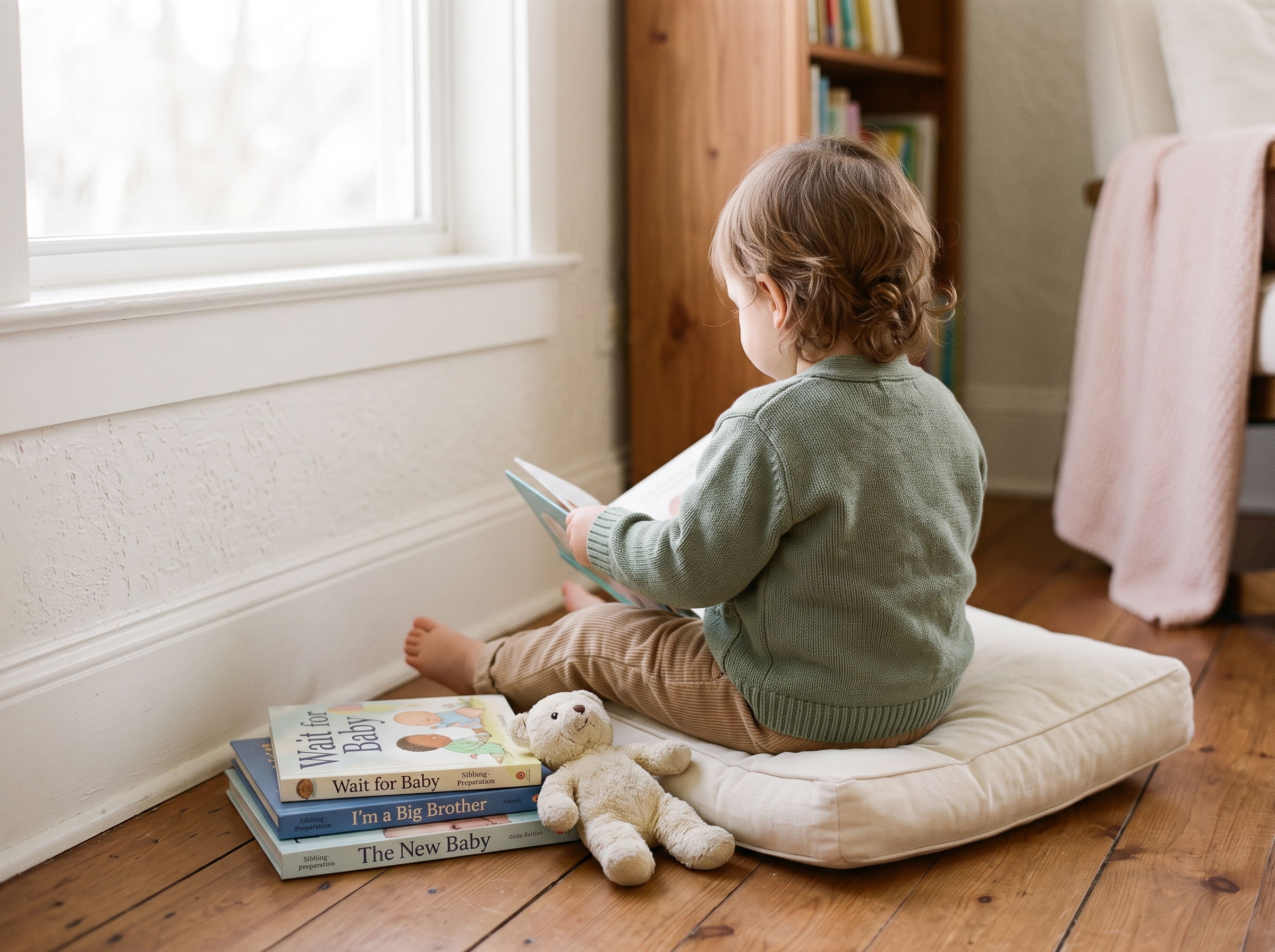
Start Earlier Than You Think, When to Introduce New Sibling Books
Most parents wait until the third trimester, when the nursery’s half-painted and everyone’s in panic mode. Child development specialists suggest starting around 20 weeks instead, so the concept of a baby in the house has time to normalize before it becomes a screaming reality at 2 a.m.
In my experience, preparing older siblings well in advance of the birth helps reduce adjustment stress and gives kids time to process big feelings before they’re competing with sleep deprivation for parental attention. In other words: don’t wait until week 38 to crack open the first book.
The 3-Stage Reading Window
- Stage 1 (pregnancy announcement through about 28 weeks): Stick with curiosity-focused books that explain what’s happening inside mama’s tummy. The goal here is awareness and wonder, not emotional prep.
- Stage 2 (third trimester): Shift to books that name feelings: jealousy, worry, excitement, the whole messy mix. This is when the feelings prep actually sticks.
- Stage 3 (first 4–6 weeks after baby arrives): Reach for books that validate being the big sibling. The adjustment period is real, and familiar stories give older kids a sense of continuity when everything else feels upended.
The Best New Sibling Books for Toddlers (Ages 1–3)
At this age, format matters as much as content. Under 32 pages, bright illustrations, and rhyming or repetitive text are your friends. Board books survive the drop-it-on-the-dog test, which is an underrated quality. And in my experience, toddlers need to hear the same book four or five nights running before it actually clicks, that’s not boredom, that’s how their brains process new information.
These books also pair well with other toddler learning activities that build early language and emotional skills at home.
Board Books Worth Buying
- Baby’s Here! by Jessica Young (2022): Interactive, rhyming, and built for kids 18 months and up. The touch-and-feel prompts keep wiggly toddlers engaged long enough to actually hear the story.
- Dog’s First Baby by Natalie Nelson: A sneaky winner for families who also have a pet adjusting to the new arrival. The humor is low-key and the situation is relatable on two levels.
- Becoming Siblings (We Are Little Feminists #7, 2025): Covers adoption, surrogacy, blended families, and more with vibrant real-family photography. Great for nontraditional households that most sibling books forget entirely.
- My New Baby by Rachel Fuller: According to ZERO TO THREE, this one uses very simple language to describe everyday life after a new baby comes home, told from a toddler’s perspective.
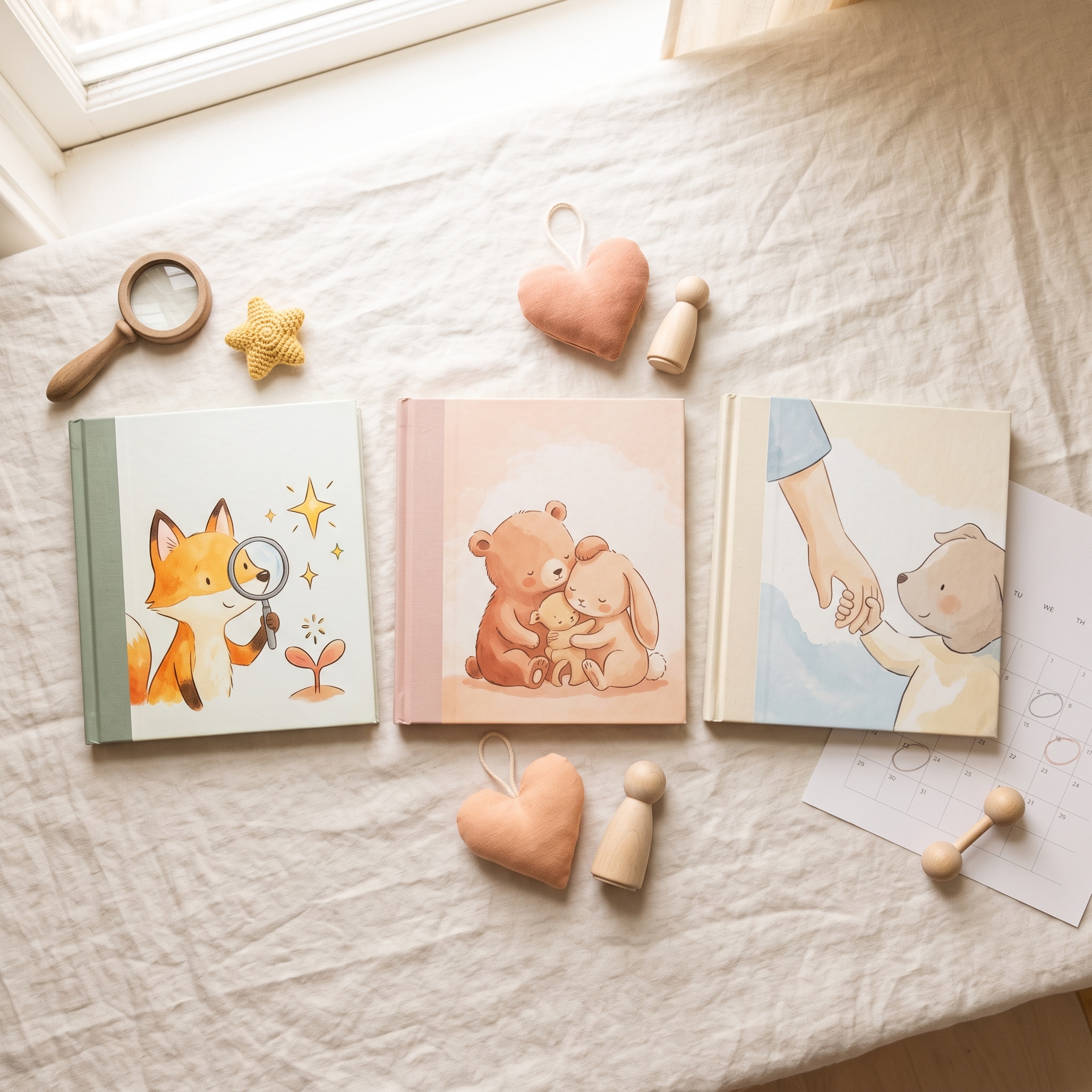
New Sibling Books for Preschoolers (Ages 3–5)
This age range is the sweet spot. Preschoolers can follow a narrative arc, feel things along with a character, and ask “but why?” in ways that actually lead somewhere productive. Follow their questions, that’s where the real work is happening. Plan for 10–15 minutes per read if you’re leaving space for conversation, which you should.
Picture Books That Start Real Conversations
- Julius, Baby of the World by Kevin Henkes: Lilly’s resentment of her new brother Julius is so specific and so honest that older siblings recognize themselves immediately. Use Lilly’s moment of fierce protectiveness toward the end as a conversation opener about complicated feelings. Classic for a reason.
- There’s a House Inside My Mummy by Giles Andreae: Rhyming, warm, and pitched perfectly for the “why is mama’s tummy so big” stage. It explains pregnancy at a child’s level without talking down to them.
- I Used to Be the Baby by Robin Ballard: A picture book (not a board book) for roughly ages 4–8, told from a big brother’s point of view as he shares toys, plays, and learns when to be quiet around his baby brother. It’s a sweet, upbeat pick for kids who are ready to picture themselves as the helper.
- Brandon and the Baby by Brian Pinkney (2024): A Caldecott Honor artist brings sibling rivalry to life with humor and emotional depth. Strong pick for boys ages 4–8 who need to see themselves in the main character.
- How to Be a Baby… by Me, the Big Sister by Sally Lloyd-Jones: Builds real pride in being the older one, which is a feeling kids this age need reinforced. Funny, relatable, and it gets read-aloud laughs from parents too.
- You Were the First by Patricia MacLachlan: Reassures the firstborn that they are still singular and special. Better for kids who tend toward anxiety over anger, and for parents who need something to read without crying (no promises).
Big Sibling Books for Older Kids (Ages 5–7)
Kids in this range need books that don’t condescend. Humor and complexity land better here than sweetness. If a book feels “baby-ish” to a six-year-old, it’s not going to do the emotional work you need it to do.
Books That Don’t Feel “Baby-ish”
- Boss Baby by Marla Frazee: Pitch-perfect for ages 6–9. The exaggerated humor makes kids feel completely seen without ever being preachy about it. Great read-aloud with genuine laughs for everyone in the room.
- Martha Doesn’t Share by Samantha Berger: Tackles the “mine” instinct head-on. For older kids, use it as a jumping-off point for conversations about sharing attention, not just toys, which is where most of the real tension lives anyway.
- What’s Inside Your Tummy, Mummy? by Sam Lloyd: The lift-the-flap format keeps older kids engaged, and it’s less babyish than the title suggests. Good for kids who still have a lot of questions about how this whole pregnancy thing actually works.
One note for parents of only children becoming big siblings at age five or older: kids this age often need books paired with one honest conversation about what the first few weeks will actually look like. The books reduce the awkward silence; the conversation fills in the rest.
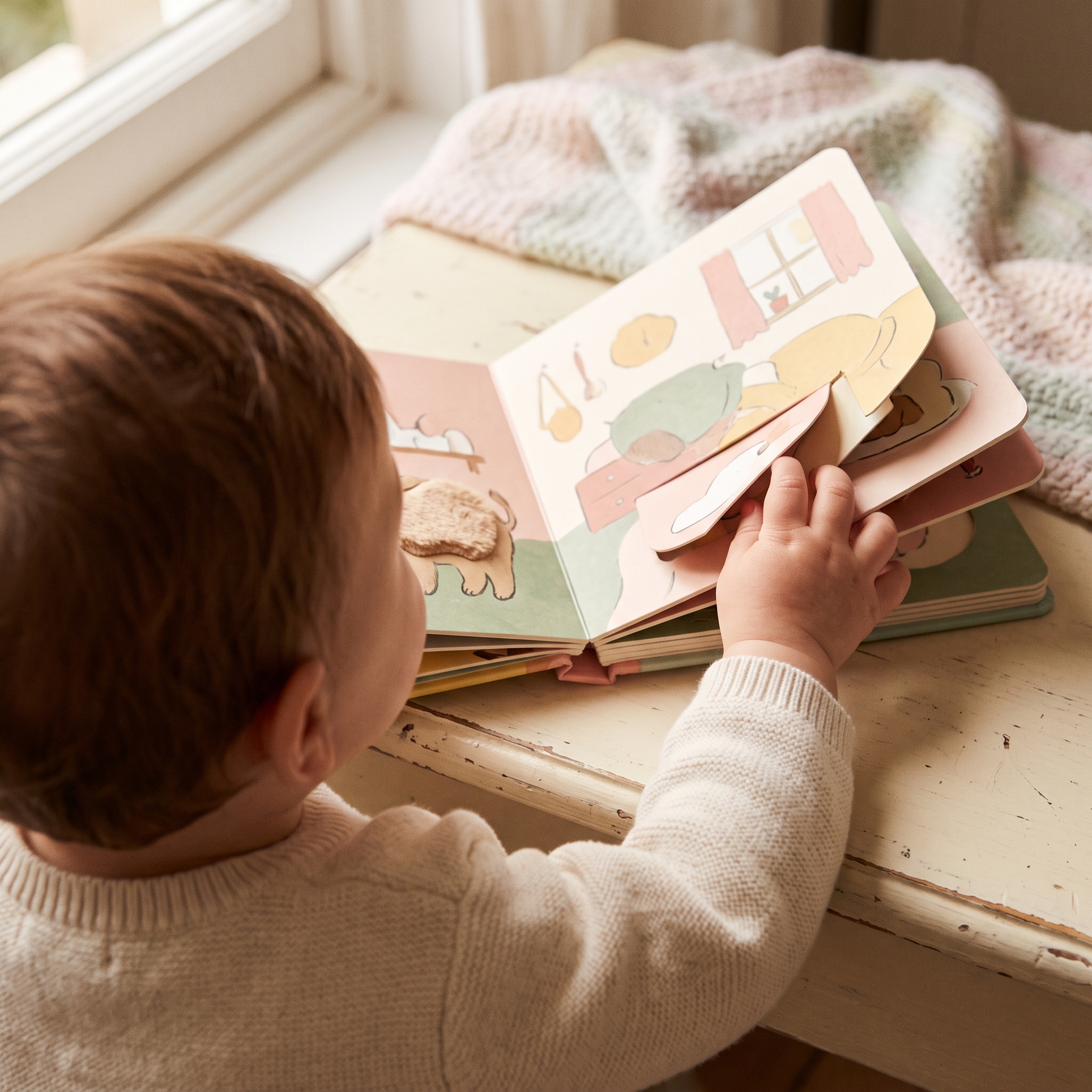
It’s Not Just Excitement, Using These Books to Handle Jealousy When a New Sibling Arrives
Every list covers which books to buy. Almost none of them cover what to do with the books once you have them. That gap matters, because a book sitting on a shelf doesn’t help anyone process jealousy. Here’s how to make them work.
4 Ways to Use New Sibling Books as a Jealousy Tool
- Pause on the feelings pages: When a character feels left out or ignored, stop and ask “does that ever happen to you?” Don’t rush past it to get to the resolution. The discomfort in that pause is where the processing happens.
- Let them be the “teacher”: After two or three reads, ask your child to “read” the book to a stuffed animal. Externalizing the story, putting themselves in the role of explainer, helps them integrate the emotional content in a way that just listening doesn’t.
- Name the feeling out loud: Labeling emotions (sometimes called affect labeling) is a simple way to help young children calm big feelings. A book gives you the vocabulary without it feeling like a lecture from Mom. “Lilly felt jealous” is an easier entry point than “are you feeling jealous?”
- Reread after the baby arrives, not just before: Most parents read these once during pregnancy and consider the job done. The books hit differently after the baby is home and the older child is living the reality. Revisiting familiar stories during weeks 2–6 postpartum, when adjustment feelings often peak, gives real comfort.
Signs the Book Is Working
- Your child starts referencing the book character in real life (“I felt like Lilly today”)
- Unprompted requests to reread the same book multiple days in a row
- Questions about the baby that go beyond “when is it leaving”
One More Thing, Books FOR Parents About the Sibling Transition
The books your child reads prep them. The books you read prep you, and that part is just as important. These are worth adding to your nightstand alongside the parenting books you already own, and they’d also make thoughtful gift ideas for families expecting a second child.
- Siblings Without Rivalry by Adele Faber and Elaine Mazlish: The classic on this topic. What makes it useful is the practical scripts, word-for-word language for real moments, not just theory.
- The Whole-Brain Child by Daniel J. Siegel and Tina Payne Bryson: Not sibling-specific, but the emotion regulation strategies it covers apply directly to jealousy management during the transition period. Worth reading before the baby arrives.
- Peaceful Parent, Happy Siblings by Dr. Laura Markham: This one addresses the transition period directly and gives concrete language for the common blowups. If you only read one parent-facing book on this list, make it this one.
FAQ, Books About a New Baby for Siblings
When should I start reading new sibling books to my child?
Around 20 weeks (mid-second trimester) is a solid starting point. That gives the concept enough time to feel normal before the baby arrives. Aim for at least six to eight weeks of regular reading before the due date, so you’re in Stage 2 or 3 of the reading window well before you’re in labor.
What are the best books about a new baby for a 2-year-old?
Board books with rhyme and repetition work best at this age. Baby’s Here! by Jessica Young and Dog’s First Baby by Natalie Nelson are both strong picks for kids ages 18 months to 3 years. Keep sessions short and be ready to read the same one five nights in a row.
Are there new sibling books specifically for big brothers versus big sisters?
Brandon and the Baby skews toward boys, and How to Be a Baby… by Me, the Big Sister skews toward girls. That said, most sibling books work regardless of gender, and kids often connect with opposite-gender characters just fine. Don’t skip a book just because the main character doesn’t match your child.
How do books help with jealousy when a new sibling arrives?
Books give kids a character to project feelings onto, which is much safer than expressing those feelings directly. It’s easier to say “Lilly feels left out” than “I feel left out.” They also give parents a natural opening for conversations that might not come up otherwise, without it feeling like a sit-down intervention.
Should I keep reading sibling books after the baby is born?
Absolutely, and it’s arguably more important post-arrival than pre-arrival. Jealousy feelings often peak around weeks 2–6 after the newborn comes home, once the novelty has worn off and the reality of less attention has fully set in. Revisiting familiar books gives the older child a sense of continuity and comfort when everything else feels new and uncertain.


