
High-Protein Snacks for Kids
High-protein snacks for kids are foods that provide at least 4–7 grams of protein per serving and help support muscle growth, bone development, sustained energy, and focus during the school day.
Last updated: June 2026
Quick Answer: High-Protein Snacks for Kids
The best high-protein snacks for kids include hard-boiled eggs, Greek yogurt, cottage cheese, cheese and whole-grain crackers, nut butter with apple slices, edamame, turkey roll-ups, and homemade protein bites. Each of these delivers at least 5–10 grams of protein per serving, which is enough to meaningfully support energy and focus between meals. They’re also easy to prep ahead, pack in lunch boxes, or grab on the way out the door.
Here’s the thing about 3 p.m. on a school day: it hits like a wall. Your kid walks in, drops their backpack, and immediately starts raiding the pantry. Or maybe you’re sprinting from school pickup straight to soccer practice and you need something that won’t fall apart in the car. Either way, you know exactly what I mean. That’s where protein snacks for kids earn their keep. This article covers a hero no-bake recipe, a full roundup of snack ideas, and practical tips for lunch boxes and on-the-go situations.
Why Protein Matters for Growing Kids
You’ve probably heard “kids need protein to grow,” but let’s get into why that’s actually true instead of just leaving it at a bumper sticker statement.
- Muscle and tissue repair: Every time your kid runs, jumps, and climbs, tiny muscle fibers break down and rebuild. Protein is the raw material for that repair process, which makes it especially important on high-activity days.
- Bone development: Protein works alongside calcium to build strong bones, not just calcium alone. Many parents focus on dairy for bones and forget that the protein in those foods matters just as much.
- Brain focus and concentration: Protein supports the production of neurotransmitters like dopamine and norepinephrine, which are directly tied to attention and focus. This is a big reason why high protein kids snacks aren’t just about full tummies.
- Satiety: Protein slows gastric emptying, which is a fancy way of saying it keeps kids fuller longer than a bag of crackers or a juice box ever will.
According to the USDA Dietary Guidelines for Americans, protein needs increase significantly as children move through childhood and adolescence. Building the protein snack habit early makes it much easier to hit those targets as your kids grow.
If you’re looking for a broader picture of how snacks fit into a balanced day, this guide to healthy snacks for kids that combine two food groups for lasting energy is a great place to start.
How Much Protein Do Kids Actually Need?
One snack won’t make or break your child’s nutrition, but knowing the daily target helps you see how protein snack ideas for kids fit into the bigger picture. These figures come from the Dietary Reference Intakes (DRI), established by the National Academy of Medicine:
| Age Group | Daily Protein Recommendation |
|---|---|
| Ages 1–3 | ~13g per day |
| Ages 4–8 | ~19g per day |
| Ages 9–13 | ~34g per day |
| Ages 14–18 (boys) | ~52g per day |
| Ages 14–18 (girls) | ~46g per day |
A single snack should ideally contribute 5–10g of protein to meaningfully move the needle. The good news is that most kids eating a balanced diet are already in the right ballpark. Snacks are just an easy, low-effort way to fill in any gaps without turning dinner into a protein negotiation.
No-Bake Peanut Butter Protein Bites: Recipe Card
| Prep Time | 10 minutes |
| Chill Time | 20 minutes |
| Total Time | 30 minutes |
| Yield | 18–20 bites |
| Skill Level | Easy |
| Storage | Fridge up to 1 week |
| Freezer-Friendly | Yes, up to 3 months |
Ingredients
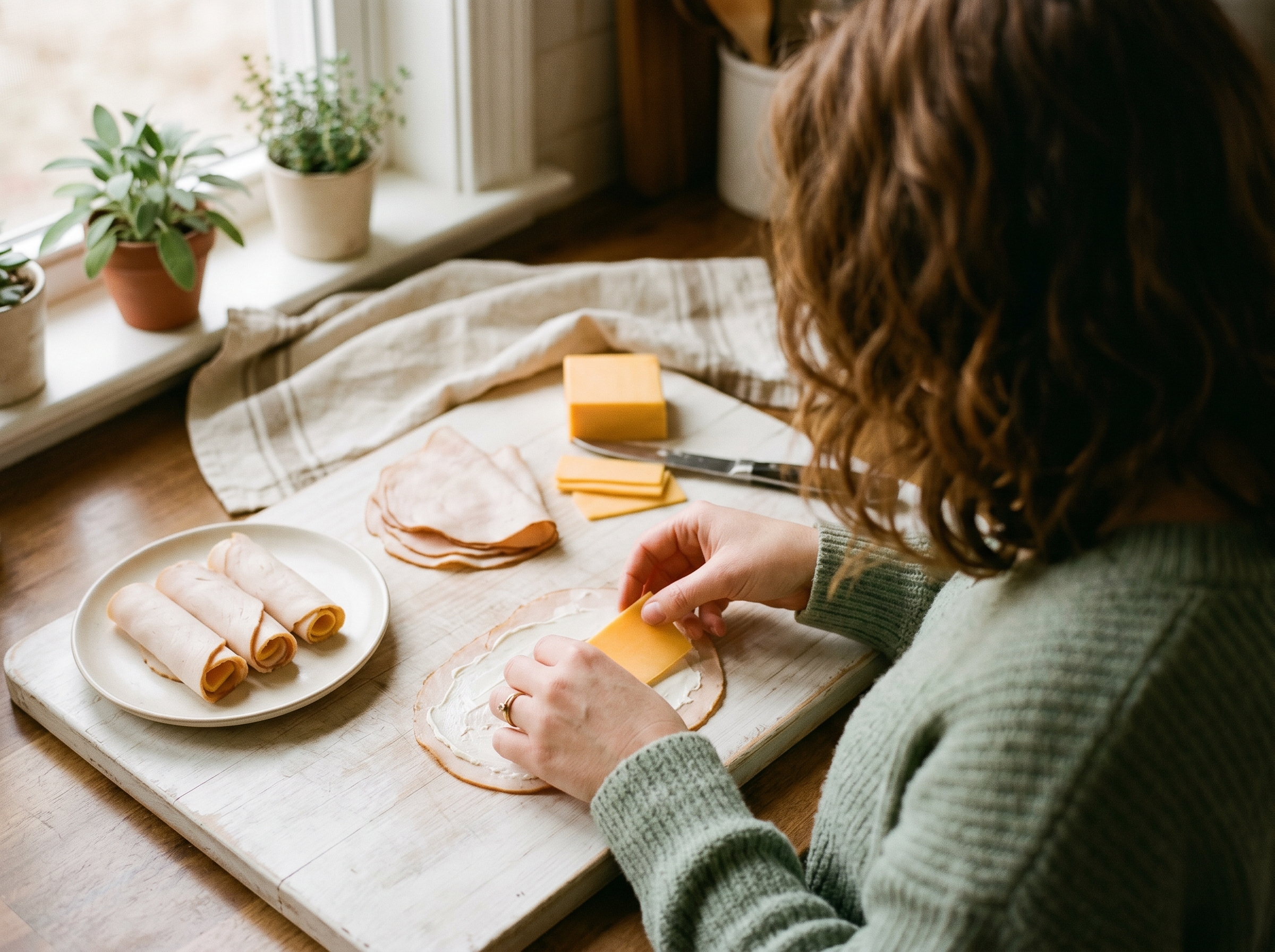
- 1 cup old-fashioned rolled oats
- ½ cup natural peanut butter (or almond butter)
- ⅓ cup honey
- ½ cup ground flaxseed
- ½ cup mini chocolate chips (or raisins)
- 1 teaspoon vanilla extract
- Pinch of salt
These come together with pantry staples, no special equipment needed. Each bite delivers approximately 3–4g of protein from the oats and nut butter combination, based on standard USDA values for those ingredients. According to EatingWell, energy bite recipes like these can actually deliver more protein per serving than a single egg, making them a surprisingly powerful snack option.
If you need a nut-free version for school lunches, swap the peanut butter for sunflower seed butter. More on substitutions in the Make-Ahead Tips section below.
Instructions
- In a large mixing bowl, stir together the peanut butter, honey, and vanilla extract until smooth.
- Add the rolled oats, ground flaxseed, and salt. Mix until fully combined.
- Fold in the mini chocolate chips.
- Cover the bowl and refrigerate for 20 minutes. This makes rolling much easier and prevents the mixture from sticking to your hands.
- Once chilled, roll the mixture into 1-inch balls. A small cookie scoop speeds this up considerably.
- Place bites on a parchment-lined baking sheet or plate.
- Store in an airtight container in the fridge for up to one week, or freeze for up to 3 months.
I always double the batch on Sunday. They disappear fast.
10 More High-Protein Snack Ideas for Kids
The protein bites are a staple in our house, but variety is what keeps kids from burning out on the same snack every day. Here are ten more easy high-protein snacks that cover everything from fast fridge grabs to slightly more put-together options.
- Hard-Boiled Eggs: Each egg packs about 6g of protein, and they’re one of the most portable, budget-friendly options out there. Batch-cook six to eight on Sunday and store them unpeeled in the fridge for up to seven days. Peel when needed and sprinkle with everything bagel seasoning if your kids are into that.
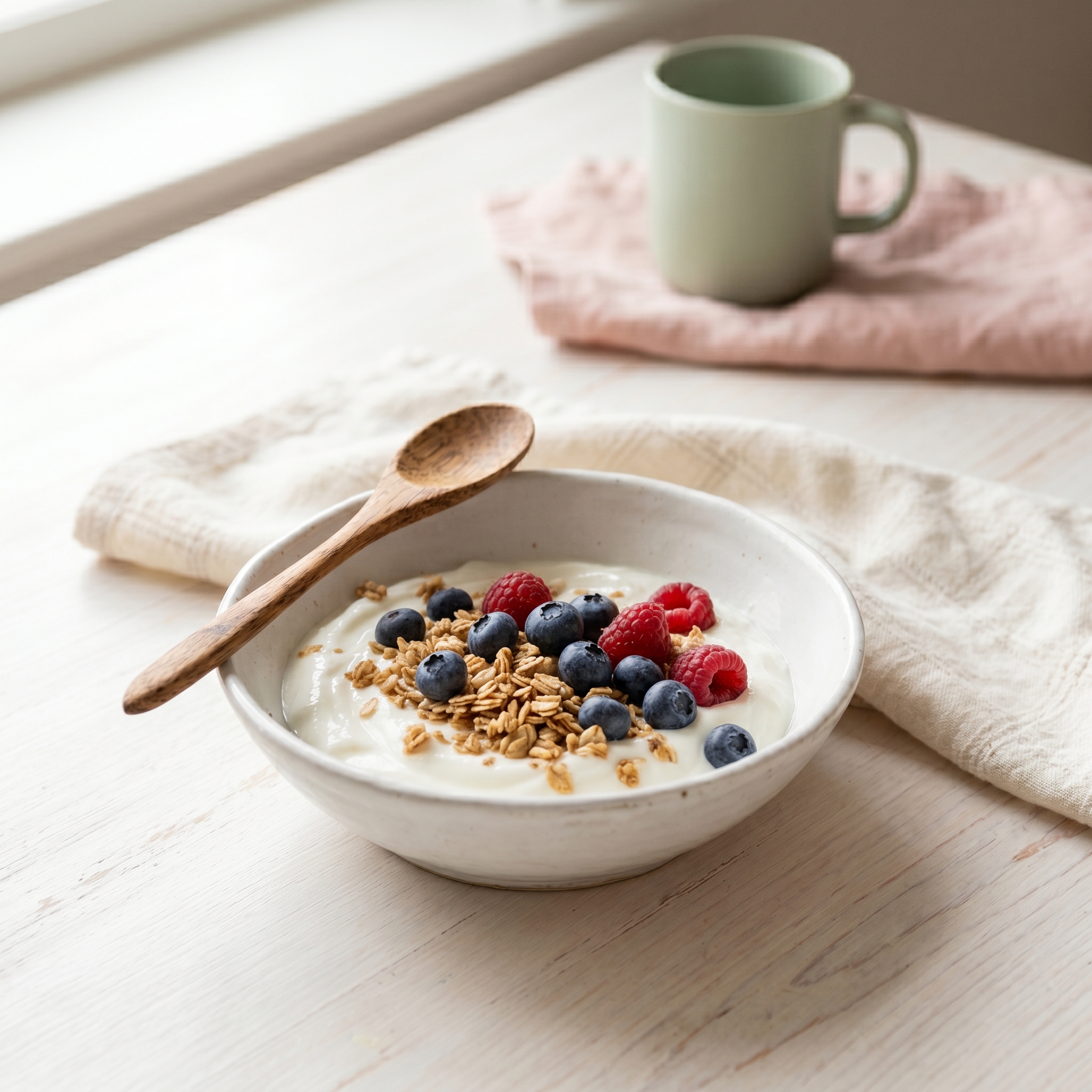
- Greek Yogurt Parfait: A full ¾-cup serving of Greek yogurt can deliver around 15g of protein, and kids don’t even realize how much nutrition is packed in. Layer with granola and fresh berries so it feels like a treat. It’s one of the easiest high protein kids snacks to customize.
- Cottage Cheese with Fruit: A quarter cup gives you roughly 6g of protein plus a solid hit of calcium. Pair it with pineapple chunks or sliced peaches for sweetness. If your child’s never tried it, start with a small portion mixed with a drizzle of honey.
- Cheese and Whole-Grain Crackers: One ounce of cheddar delivers about 7g of protein. Add a couple of slices of deli turkey and you’re pushing well past 10g without any cooking involved.
- Nut Butter with Apple Slices: Two tablespoons of peanut butter brings roughly 7–8g of protein, and the fiber in the apple slows digestion so the energy lasts. Almond butter or sunflower seed butter work just as well if peanuts are off the table.
- Edamame (Shelled): Half a cup of shelled edamame has about 9g of protein, making it one of the highest-protein plant-based snack options available. Lightly salted or tossed with a pinch of soy sauce, most kids eat it like candy.
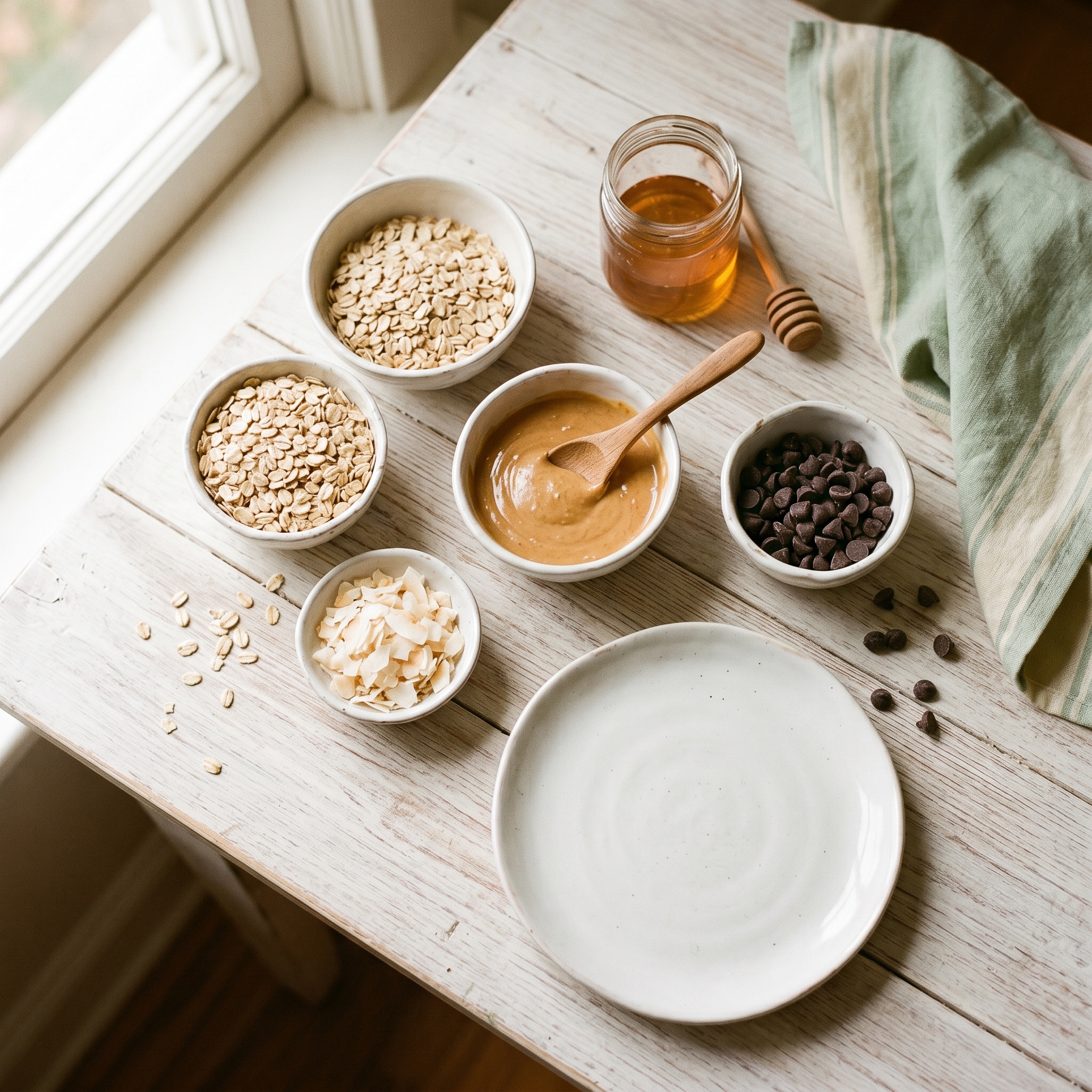
- Turkey or Chicken Roll-Ups: Two slices of deli turkey provide roughly 6g of protein on their own. Roll them up with a slice of cheese and a smear of cream cheese and you’ve got a snack that clears 10g easily with no prep beyond unwrapping. Note: deli turkey and chicken are fully cooked and ready to eat. If you’re using freshly cooked poultry instead, make sure it reaches an internal temperature of 165°F (74°C) before serving, per USDA guidelines.
- Mini Frittata Muffins: Bake eggs with diced veggies in a standard muffin tin at 375°F for about 10 minutes. Two muffins give you somewhere in the 10–12g protein range depending on what you add. Make a dozen on the weekend and you’re set for several days.
- Roasted Chickpeas: Half a cup delivers about 7–8g of protein in a crunchy, kid-friendly package that holds up well in a lunch box without getting soggy. If you want to try making them yourself, this crispy roasted chickpeas recipe for the oven and air fryer is completely foolproof.
- Hummus with Bell Pepper Strips: Two tablespoons of hummus contributes about 2–3g of protein on its own, so pair it with a few slices of deli turkey or a string cheese stick to push the total higher. The veggies add fiber and crunch, and most kids enjoy the dipping aspect.
Packing High-Protein Snacks in School Lunch Boxes
Knowing what to pack is only half the battle. The other half is making sure the snack actually arrives at snack time in edible condition.
First, think about what needs a cold pack and what doesn’t. Boiled eggs, Greek yogurt, cottage cheese, turkey roll-ups, and mini frittatas all need to stay cold, so tuck an ice pack into the lunch box alongside them. Protein bites, roasted chickpeas, and string cheese in an insulated bag are more shelf-stable and can handle a couple of hours without refrigeration.
For portioning, aim for at least 5–7g of protein per snack compartment. That’s enough to keep hunger at bay between lunch and dismissal without overfilling small stomachs.
The most reliably lunch-box-safe picks in our rotation are cheese sticks, roasted chickpeas, and protein bites. They travel well, they don’t require utensils, and kids can eat them one-handed while doing literally anything else.
One more thing worth flagging: many schools have nut-free policies, so peanut butter is off the table in the lunch box even if it’s fine at home. Sunflower seed butter protein bites, pumpkin seeds, and edamame are all great swaps that keep the protein content high without crossing any allergy lines.
If the back-to-school season has you planning out the whole routine, I put together a guide to back-to-school tips for parents that covers everything from morning checklists to lunch packing all in one spot.
High-Protein Snacks for Kids on the Go
We’ve all been stuck in carpool with a hangry kid and nothing but stale goldfish crackers in the back pocket of the car seat. Planning ahead for on-the-go snacking means you won’t be in that position as often.
The best portable options are the ones that need no refrigeration and can be eaten without a fork. Protein bites from the recipe above travel perfectly in a small snack container. Individual nut butter packets, string cheese, hard-boiled eggs in a zip-lock bag, and roasted edamame pouches are all solid choices for the sports bag or purse.
If you’re building a Sunday snack-prep habit, portion these into individual bags the night before and drop one into your bag every morning. It takes about five minutes and saves a lot of frantic drive-through decisions. If you want to fold this into a bigger Sunday reset, my guide to staying organized at home walks through the kind of realistic systems that actually stick.
For store-bought backups worth keeping in the car or diaper bag, CLIF Kid ZBAR, individual Justin’s almond butter packets, and Whisps cheese crisps are the ones I reach for most. They’re designed for kids, they hold up without refrigeration, and the ingredient lists are clean enough that I don’t stress about them.
You can find more fast options in this roundup of easy snacks for kids that come together in 5 minutes, which is great for days when even Sunday prep didn’t happen.
High-Protein Snacks for Kids with ADHD
This is one of the most common questions I see from parents, and it’s a important one. If your child has ADHD, protein timing and quantity can matter more than it does for neurotypical kids, and it’s worth understanding why.
Research suggests that protein-rich foods support the production of dopamine and norepinephrine, the neurotransmitters most closely associated with attention, focus, and impulse control. For kids on stimulant medications, there’s an added consideration: those medications commonly suppress appetite, which means kids may not eat well during the day. Front-loading protein early in the morning, before medication kicks in, is a strategy many families find helpful.
Practically speaking, this means prioritizing snacks with 7–10g of protein or more. Strong options for kids with ADHD include eggs, edamame, cheese, nut butter, turkey, Greek yogurt, and cottage cheese. The key thing to avoid is high-sugar snacks that cause an energy spike followed by a sharp crash, which can make focus harder, not easier.
That said, every child is different. Always loop in your child’s pediatrician or a registered dietitian for personalized guidance, especially if medication is involved. The American Academy of Pediatrics has solid resources on nutrition and ADHD that are worth reviewing with your child’s care team.
Make-Ahead Tips and Substitutions
The honest truth about protein snack prep is that it works best when you build a small routine around it rather than trying to do it all at once.
Make-Ahead Tips
- Protein bites: Double the batch and freeze half in a zip-lock bag. Pull a few out each morning and they’ll thaw in the lunch box by snack time.
- Hard-boiled eggs: Cook six to eight on Sunday, store them unpeeled in the fridge, and they’ll keep for up to seven days.
- Mini frittata muffins: Bake a full dozen, refrigerate for up to four days, or freeze individually so you can grab one or two at a time.
Substitutions for the Protein Bites Recipe
- Peanut butter: Swap for sunflower seed butter for nut-free school lunches. The texture and binding are nearly identical.
- Honey: Maple syrup works as a 1:1 swap. (Note: honey is not recommended for children under 12 months, though this recipe is intended for older kids.)
- Chocolate chips: Dried cranberries or raisins work well and lower the sugar content slightly.
- Add-ins: Chia seeds, hemp hearts, or a tablespoon of unsweetened coconut flakes are easy ways to add texture and a small protein boost.
On weeks when meal prep doesn’t happen, there are plenty of kid-friendly protein snacks worth buying that cover the gap without any effort. String cheese, individual Greek yogurt cups, roasted edamame pouches, and CLIF Kid ZBAR are the store-bought staples I keep on rotation for exactly those weeks.
Frequently Asked Questions
What are high-protein snacks for kids with ADHD?
Protein-rich snacks like boiled eggs, edamame, cheese, nut butter, turkey, Greek yogurt, and cottage cheese are often recommended for kids with ADHD because they support dopamine and norepinephrine production, which are tied to focus and attention. Front-loading protein early in the day, before stimulant medications suppress appetite, is a strategy many families find useful. Always check with your child’s pediatrician or a registered dietitian for guidance specific to your child’s needs.
How much protein should a kid have per snack?
A good target is 5–10g of protein per snack. That’s enough to support energy and focus without overwhelming smaller stomachs. Referencing the age-based benchmarks above helps put that number in context. A 7-year-old only needs about 19g total per day, so a single snack at 7g covers a meaningful chunk of that goal.
What are easy high-protein snacks for picky eaters?
Stick to mild-flavored options with familiar textures. String cheese, peanut butter with apple slices, Greek yogurt with a drizzle of honey, and mini frittata muffins with hidden veggies tend to go over well even with selective eaters. The key is pairing something familiar (like apples or crackers) with a protein source so the whole snack doesn’t feel foreign.
Are protein bars safe for kids?
Most adult protein bars aren’t a great fit for young kids. They’re often formulated with very high protein levels, artificial sweeteners, and sugar alcohols that aren’t ideal for children’s digestive systems. Bars designed specifically for kids, like CLIF Kid ZBAR, are a better store-bought option when you need something fast. For everyday snacking, whole-food sources like the ones in this article are a better foundation.
What are nut-free high-protein snacks for kids?
There are plenty of nut-free options with solid protein content: edamame, hard-boiled eggs, cheese sticks, sunflower seed butter with apple slices, roasted chickpeas, cottage cheese, and turkey roll-ups are all strong choices. Sunflower seed butter is the most direct swap for peanut butter in recipes like the protein bites above, and most kids can’t tell the difference once the chocolate chips are folded in.


