
Fall Activities for Families
Fall activities for families are seasonal experiences, both outdoor and indoor, that bring kids and parents together around the sights, textures, and traditions of autumn.
Last updated: June 2026
Quick Answer: Fall Activities for Families
The best fall activities for families combine fresh air, sensory play, and low-stakes fun that works across a wide age range. Think pumpkin patches, apple picking, corn mazes, nature walks, and a handful of cozy indoor backups for rainy days. Most cost little or nothing, and the memories outlast any toy by years.
You know that first crisp morning when the air smells different and something in you just wants to do something before the season slips away? That’s the feeling this guide is built around. Below you’ll find outdoor adventures, indoor backup plans, toddler-specific ideas, and a simple planning system for making it all actually happen before Thanksgiving sneak-attacks you again.
- Age Range: Toddlers (18 months) through elementary school (10+); notes throughout for each stage
- Time: Individual activities range from 20 minutes to a full afternoon; the full seasonal bucket list spans September through November
What You’ll Need to Make This Fall Memorable
This isn’t a supply list for one craft. It’s a season-prep kit you pull together in early September so you’re never scrambling when a random free Saturday appears.
Gear for Outdoor Fall Activities
- Reusable tote or nature bag: for collecting leaves, acorns, seed pods, and anything else that catches a kid’s eye
- Layers the kids can move in: fall temps swing fast, especially for toddlers who can’t regulate their own body temperature well; a zip-up fleece over a long-sleeve tee is the sweet spot
- Waterproof shoes or rain boots: muddy patches are basically guaranteed at every pumpkin patch and apple orchard
- A phone or simple camera: for a seasonal photo tradition (more on that in the planning section below)
- Sunscreen: yes, still, even in October
Supplies for Indoor Fall Activities on Rainy Days
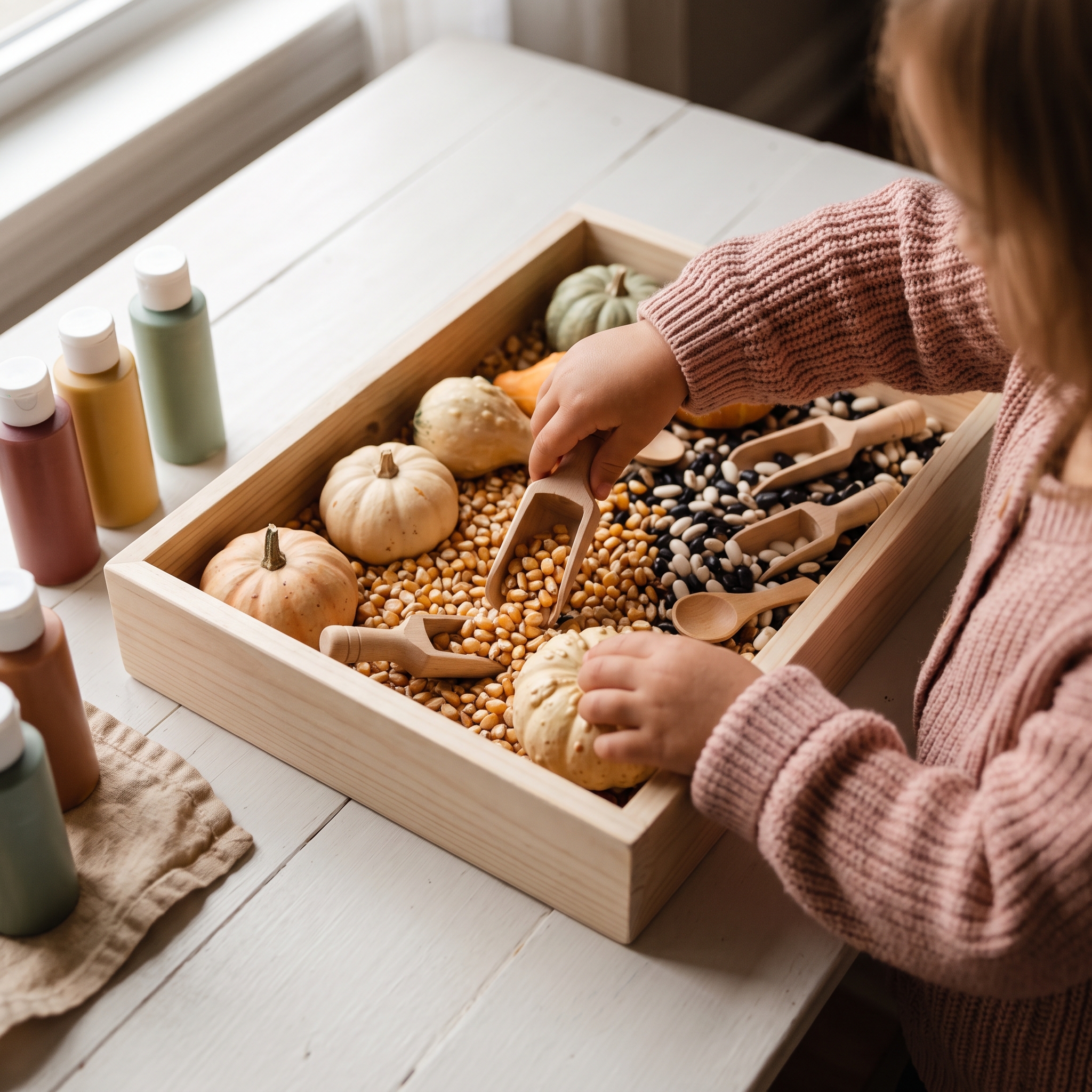
- Sensory bin materials: dried corn, small gourds, dried beans, funnels, and scoops; budget around $10 to $15 at a dollar store or craft store
- Washable paint in fall colors: orange, red, brown, yellow
- Contact paper: sticky side up, pressed to a window, it becomes a no-glue leaf collage that toddlers go wild for
- Wax paper and peeled crayons: for leaf rubbings
- Baking basics: apples, cinnamon, butter, a box of muffin mix if you want the shortcut
The Best Outdoor Fall Activities for Families
Visit a Pumpkin Patch
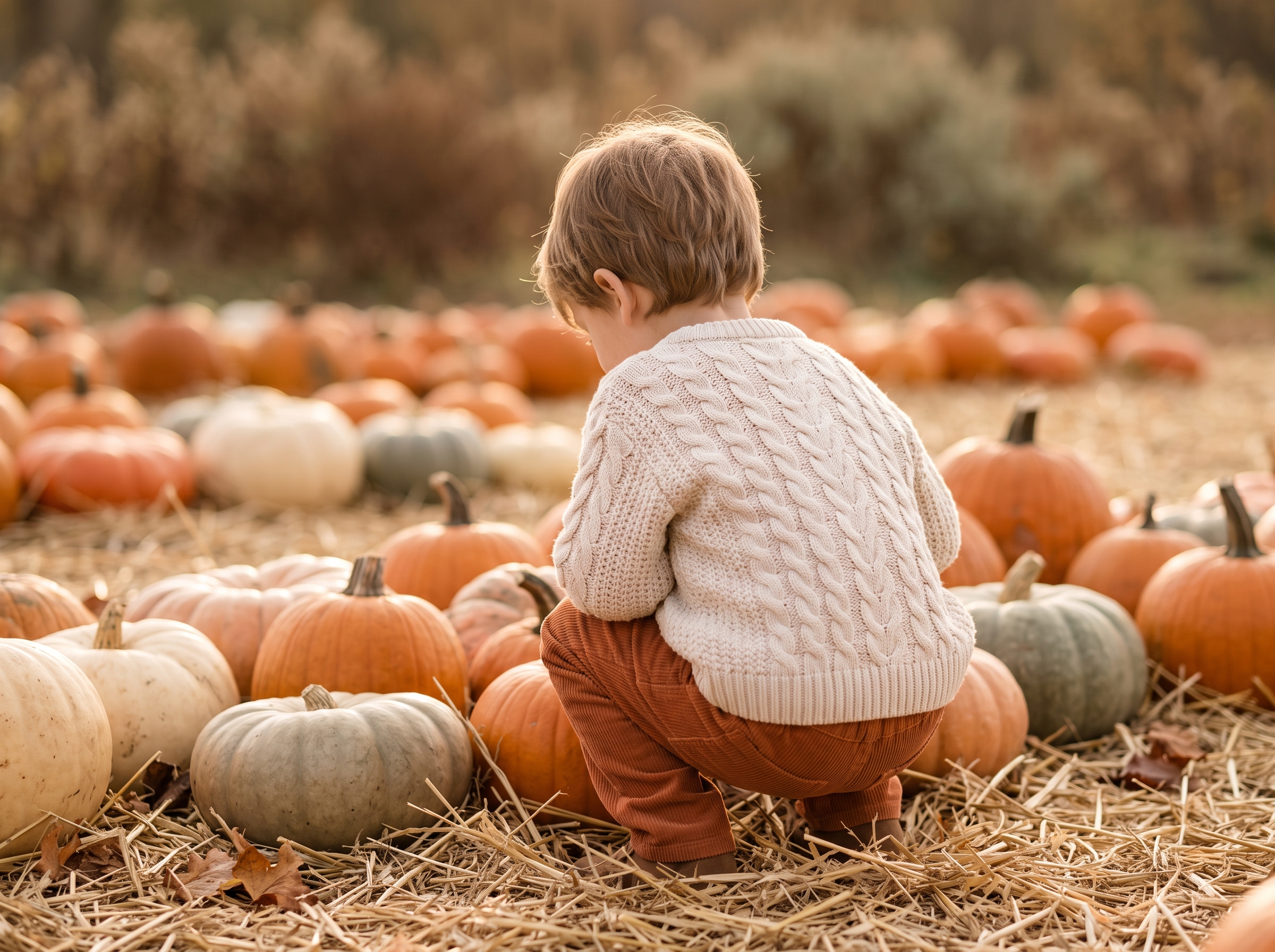
Pick-your-own patches beat pre-picked every time, especially with kids. The whole point is the hunt. Hayrides typically run 10 to 15 minutes and are worth every cent for the experience. If your patch offers tractor rides, that’s often the highlight for toddlers, not the pumpkins.
Practical tip: go on a Tuesday or Wednesday morning if you can. Weekday mornings are dramatically less crowded than weekend afternoons at most popular patches, which makes the whole outing more relaxed and more fun. What kids get out of it: counting, size comparison, and the deeply satisfying work of picking just the right one.
Go Apple Picking
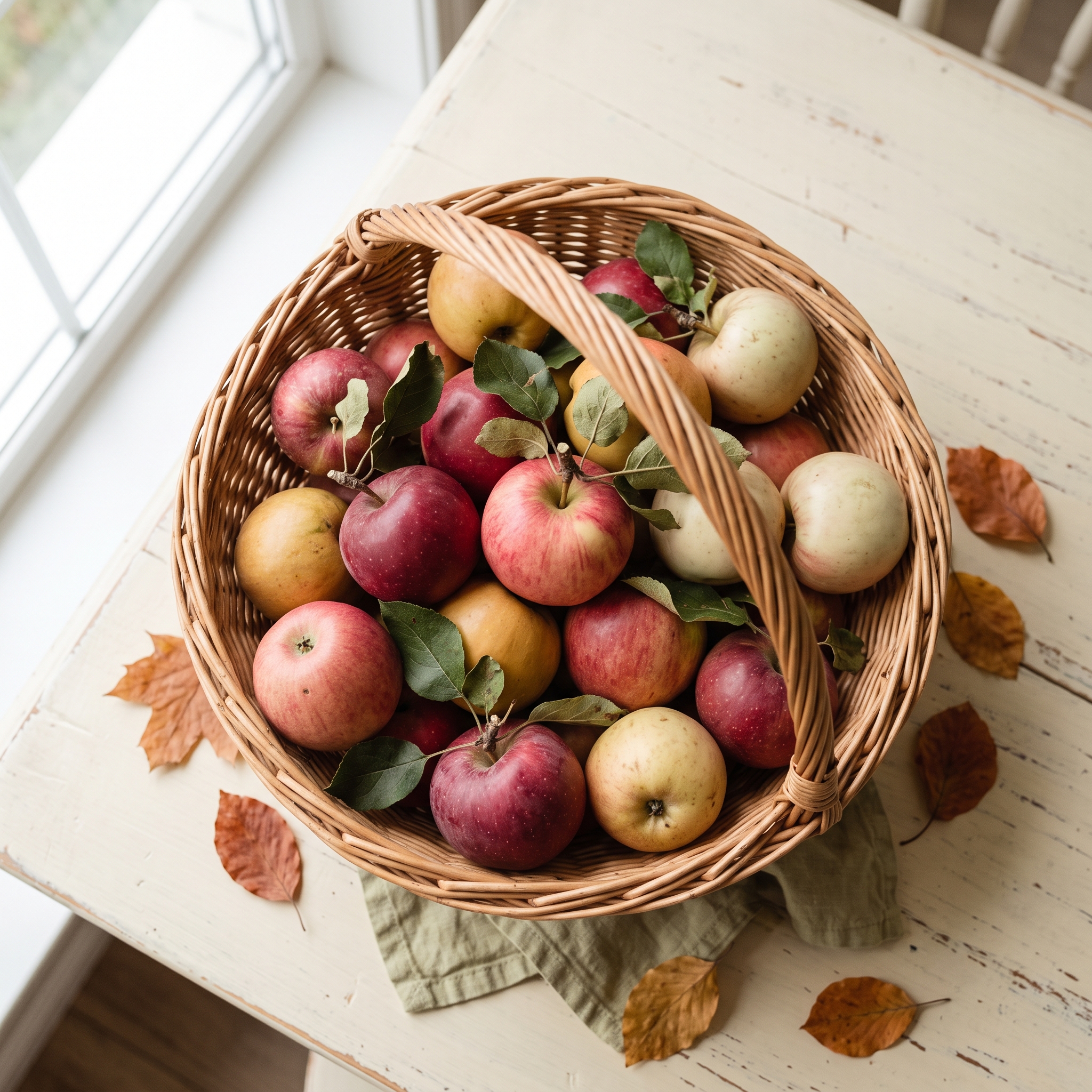
A standard half-peck bag holds about 8 to 10 apples, which is exactly enough for one pie or a generous batch of applesauce. For toddlers, look for orchards with low-hanging varieties like Gala or Fuji. Little hands need branches they can reach without help, and those varieties tend to grow on shorter, more manageable trees.
Whatever you don’t eat fresh that afternoon becomes the starting point for a baking session, which leads us to the indoor section later.
Take a Fall Nature Walk (Without Your Phone, at Least for the First 15 Minutes)
Frame this as a sensory experience, not exercise. Crunch leaves underfoot on purpose. Smell the air. Touch bark. Set a scavenger challenge: find five different leaf shapes, three different colors, one thing that smells interesting. Bring the nature bag.
A unique angle most families never try: start a leaf identification journal. Print a simple one-page template, laminate it, and bring it on every walk. Kids love filling it in, and it builds genuine observational skills over the season. Research consistently shows that time in natural environments is associated with lower stress markers in children, so this walk is doing more than it looks like it’s doing.
Attend a Local Fall Festival
Expect pumpkin painting, scarecrow stations, petting zoos, cider tastings, and usually some form of live music. Many county and town festivals are free admission; budget around $20 to $40 for food and paid activities once you’re inside.
To find them: check your county’s official parks or tourism website, search Eventbrite filtered by “fall festival” plus your city, or browse your local Facebook community group in late August before spots fill up. Public library websites also publish seasonal event calendars that most families completely overlook.
Conquer a Corn Maze
The average family corn maze covers 5 to 10 acres and takes 45 to 90 minutes to navigate. The good news for families with toddlers: most mazes offer a short kids’ path alongside the full route, usually 15 to 20 minutes, so little ones aren’t stuck in an 80-minute endurance test.
Make it a tradition by timing yourselves each year. Kids love having a family record to beat, and it gives the activity a built-in reason to come back.
Indoor Fall Activities for Families (When the Weather Says No)
Build a Fall Sensory Bin for Toddlers
This one is squarely aimed at ages 18 months through 4 years. Fill a shallow plastic bin with dried corn, small decorative gourds, dried beans, measuring cups, and funnels. Set it on a towel and step back. Toddlers will pour, scoop, and sort for a surprisingly long stretch of time.
According to ZERO TO THREE, sensory-based fall activities like taste-offs between apple varieties and tactile fall sensory bins are especially effective for engaging toddlers through both touch and exploration. What they’re building: fine motor skills, sensory processing, and vocabulary. Rough, smooth, heavy, light. For children under 2, swap the dried corn, small gourds, and dried beans for kinetic sand to eliminate the choking risk. Total cost: about $8 to $15 using a dollar store bin and craft store dried goods.
If you want more structured toddler play beyond sensory bins, this guide to indoor toddler activities for rainy days has a rotation system that works well alongside these seasonal ideas. And if sensory bins are already a hit in your house, these toddler sensory activities have plenty more easy setups worth trying beyond the fall season.
Leaf Rubbings and Contact Paper Collages
Two techniques, zero mess between them. For leaf rubbings: place a leaf vein-side up under a piece of paper, rub the side of a peeled crayon across it, and watch the leaf’s shape appear. Takes 10 minutes and produces something kids are proud of.
For a contact paper collage: tape a sheet of contact paper sticky-side-out to a low window or a wall. Kids press leaves, feathers, acorns, and anything from the nature bag directly onto it. No glue, no mess, and it ends up looking like stained glass when the light hits it. Age range: 2 to 8 years. If you love this style of low-prep art, the guide to no-mess painting for kids has similar setups that toddlers can do almost independently.
Bake Something Seasonal Together
Apple muffins take about 30 minutes and give toddlers a stirring job they can actually do. Cinnamon applesauce is 15 active minutes plus some hands-off simmering time. Pumpkin pancakes come together fast on a Saturday morning and make the whole house smell like a fall candle.
The developmental case for baking together is real: measuring teaches early math, following steps in sequence builds executive function, and eating the result is the best possible reward for patience. If your kids helped pick the apples that morning, this is the perfect ending to the day.
How to Set Up Your Family Fall Bucket List (So It Actually Happens)
Most families have great intentions in September and then blink and it’s November. Here’s the system that actually works:
- Sit down together in the first week of September, kids included, and have each person name three things they most want to do this fall. Write every answer down without editing.
- Sort the list by type: outdoor (weather-dependent), indoor (any time), and one-time events like festivals and patches that have specific dates.
- Block specific weekends on the calendar for the weather-dependent activities first. “We’ll get to it” is how fall slips away.
- Assign a backup indoor activity to every outdoor weekend. If Saturday rains, you pivot to the sensory bin or baking and the day is still a win.
- Take one photo during each activity and drop it into a shared album. By Thanksgiving you’ll have a tangible record of the season that’s more meaningful than a highlight reel.
- Check off together as a family. The act of marking something done is motivating for kids and satisfying for the parent who made it happen.
A simple shared Notes app or a whiteboard on the fridge works as well as any fancy printable. Use whatever your family will look at. And once the leaves are put away, these Thanksgiving crafts for kids are a natural next stop to keep the seasonal momentum going.
What Kids Actually Learn from Fall Activities
Competitors list activities. What I find more useful is knowing what’s actually happening developmentally under the hood, because it helps you choose and frame activities with more intention.
- Outdoor nature activities: build observational skills, patience, and scientific thinking (“why do leaves change color?” is a great rabbit hole)
- Pumpkin patches and apple picking: teach math concepts like counting, weight, and size comparison, plus food literacy and delayed gratification
- Baking together: early math through measuring, sequencing skills, fine motor development, and a major confidence boost when they eat what they made
- Sensory bins for toddlers: language development, fine motor control, and self-regulation as they learn to play with open-ended materials
- Family bucket list planning: kids who help choose the activities feel heard and valued, and the anticipation between planning and doing is itself a key emotional regulation skill
There are roughly 10 to 12 weekends between Labor Day and Thanksgiving. That’s the whole season. The shortness is exactly what makes each outing feel meaningful, which is worth naming out loud with your kids.
Free Fall Activities for Families (No Budget Needed)
Not every fun fall activity requires a ticket or a craft store run. These cost nothing and work just as well:
- Leaf pile jumping: your own yard or a local park; classic for a reason and fun at every age
- Neighborhood scavenger hunt: print a simple list (red leaf, acorn, pinecone, spider web, something that smells like fall) and send kids to find each item; works for ages 3 to 10
- Fall farmers market browsing: free to walk, usually free to sample, and buying one small seasonal item like a jar of apple butter keeps it from becoming a grocery run
- Outdoor movie night before the temperature drops: a phone projector or a screen on the porch, a seasonal movie, apple cider, and blankets; that’s the whole plan
- Local library fall story time: most US public libraries run seasonal programming that’s free and often includes a simple craft component; worth checking your branch’s calendar in September
- Chalk leaf outlines on the driveway: trace leaves in chalk, fill them in with watercolors, and let the next rain wash it all away; low commitment, high satisfaction
Frequently Asked Questions About Fall Activities for Families
What are the top 5 fall activities for families?
The five most popular fall activities for families are visiting a pumpkin patch, going apple picking, attending a local fall festival, tackling a corn maze, and taking a fall nature walk. On rainy days, baking something seasonal together ranks just as high and keeps the season going without needing sunshine.
What are some fun fall traditions to start with kids?
Great fall traditions include an annual pumpkin patch trip with a photo taken in the same spot every year, a “first day of fall” cider toast at breakfast, a leaf collection journal that gets updated each season, and a family bucket list made together in September where every person gets a vote. Traditions stick when kids help choose them.
What fall activities work best for toddlers?
The best fall activities for toddlers are tactile and low-pressure: sensory bins with dried corn and small gourds, leaf pressing, simple pumpkin painting rather than carving, and short hayrides. Keep outings under 90 minutes and build in a snack stop. Everything goes better with a snack.
What are good indoor fall activities for families on rainy days?
Rainy fall days are made for contact paper leaf collages, cinnamon applesauce or apple muffins, a fall-themed scavenger hunt inside the house, or setting up a cozy reading corner with a pile of seasonal books. Keep a small indoor activity bin stocked by early September so you’re never scrambling when the weather turns.
How do I find fall activities for families near me?
Start with your county’s official tourism or parks website, then search Eventbrite filtered by your zip code and “fall festival.” Local Facebook community groups are great for word-of-mouth picks that don’t show up in search results, and Recreation.gov is useful for finding national and state park fall programming. Your public library’s seasonal event calendar is also consistently overlooked and almost always free.


